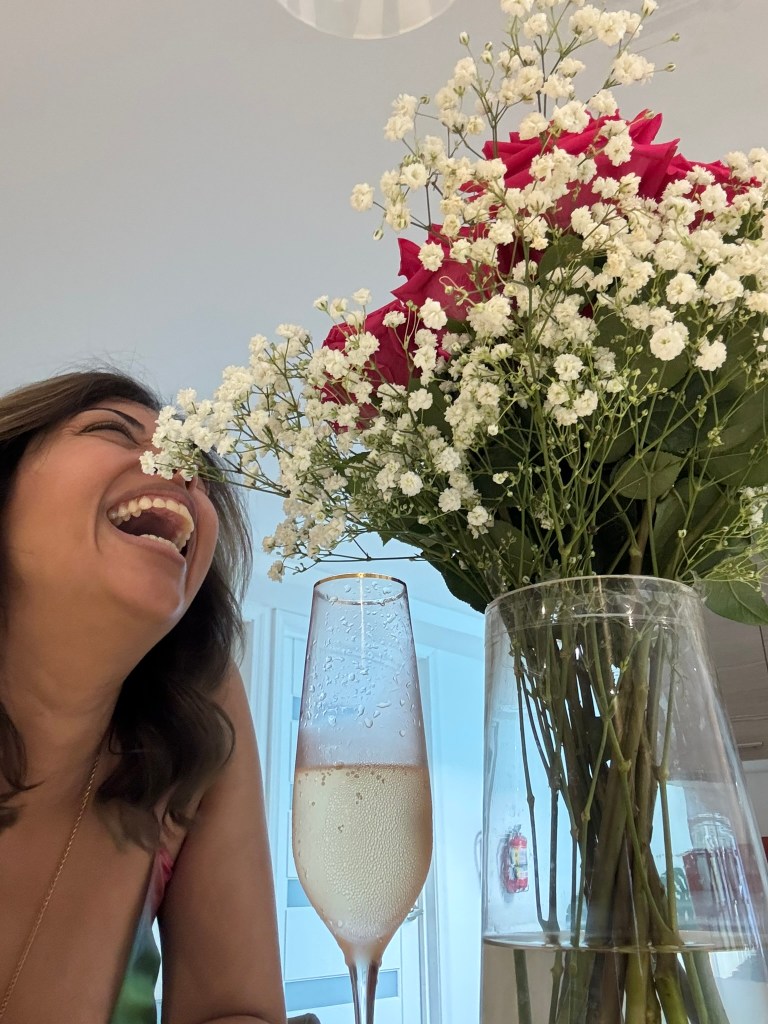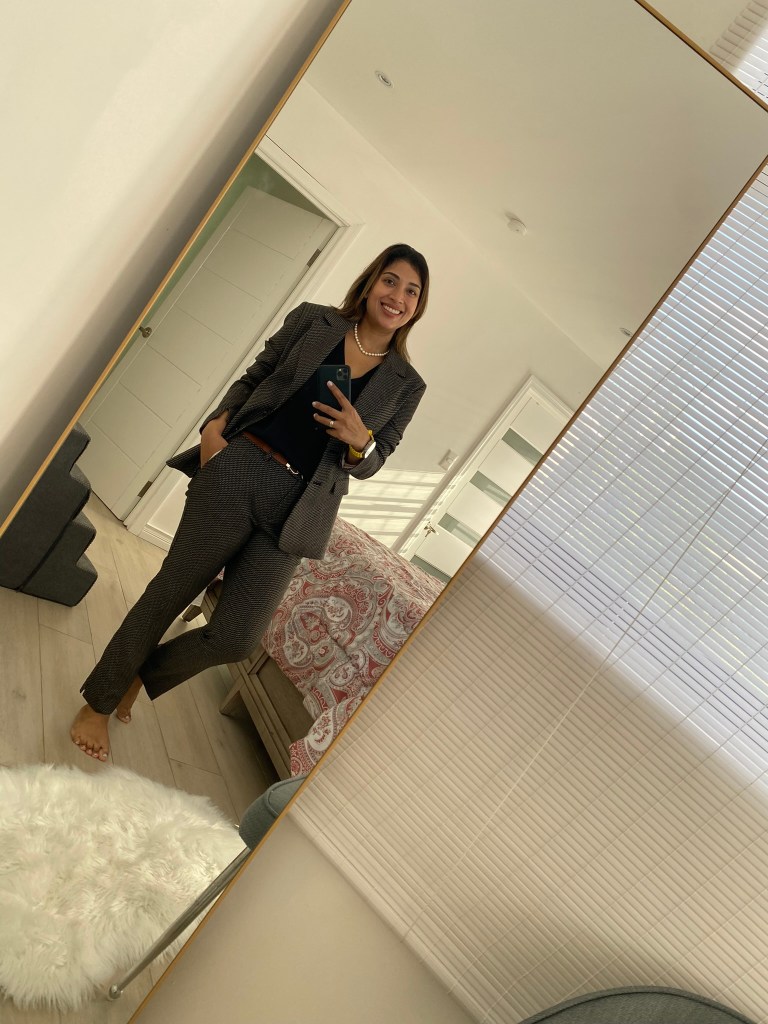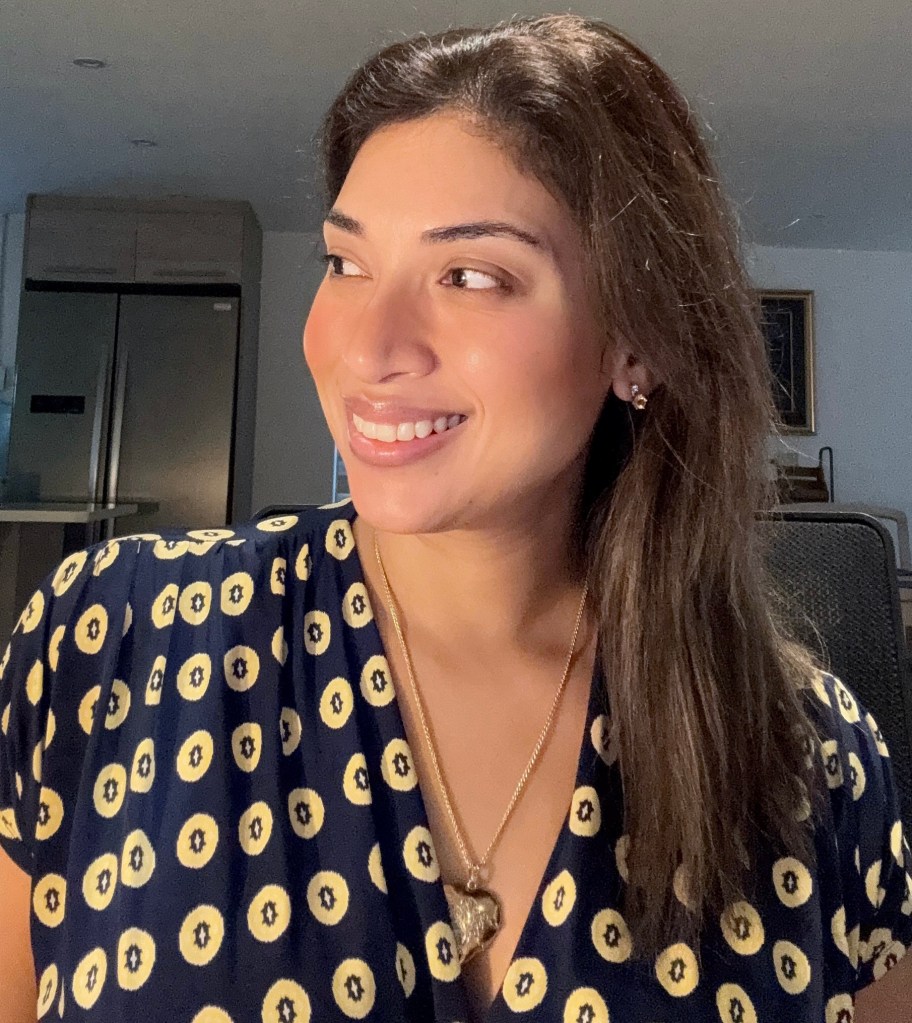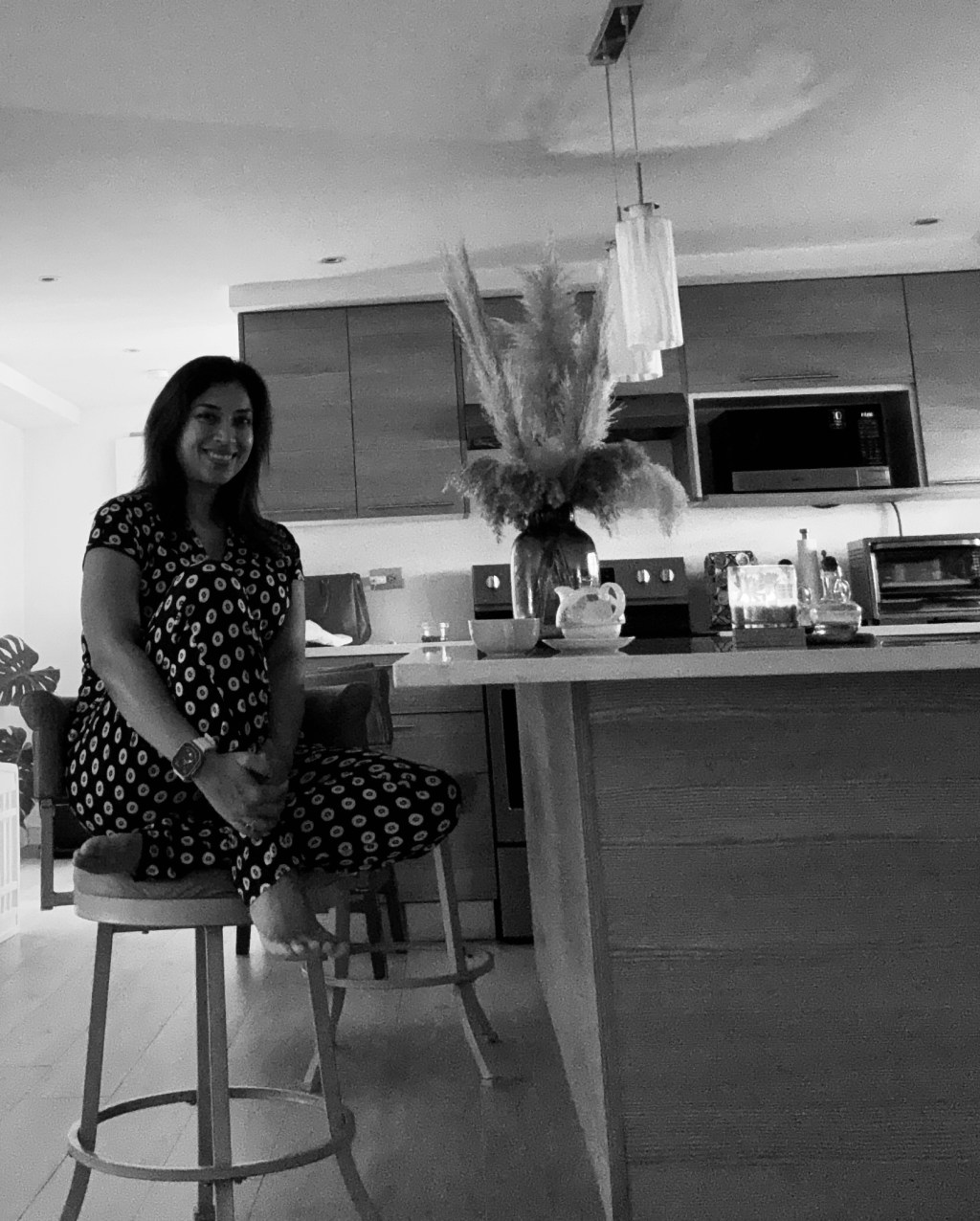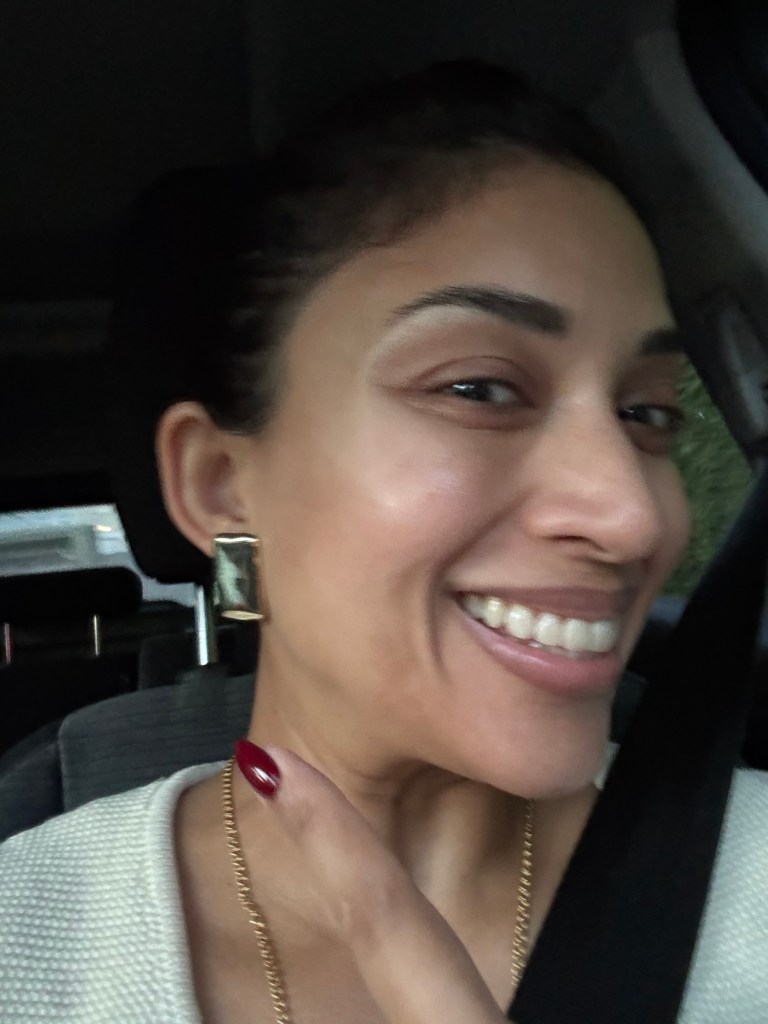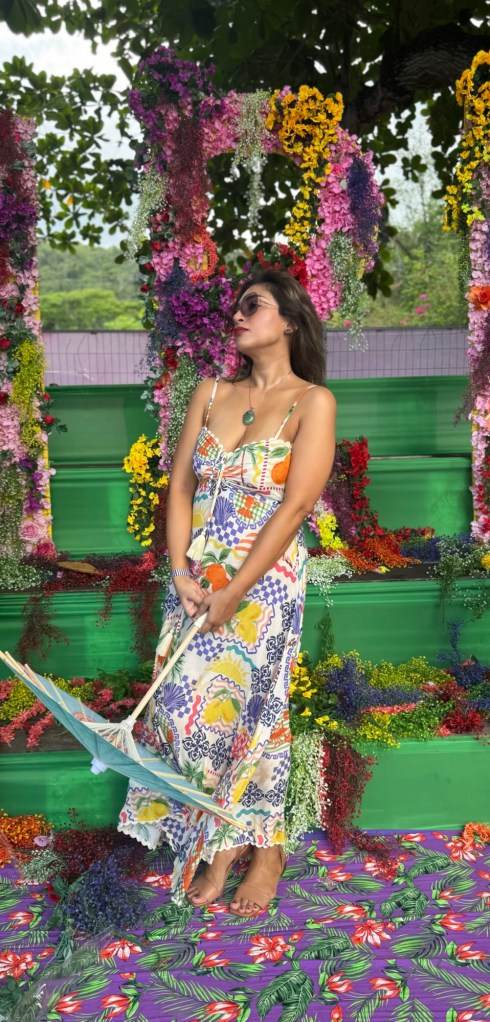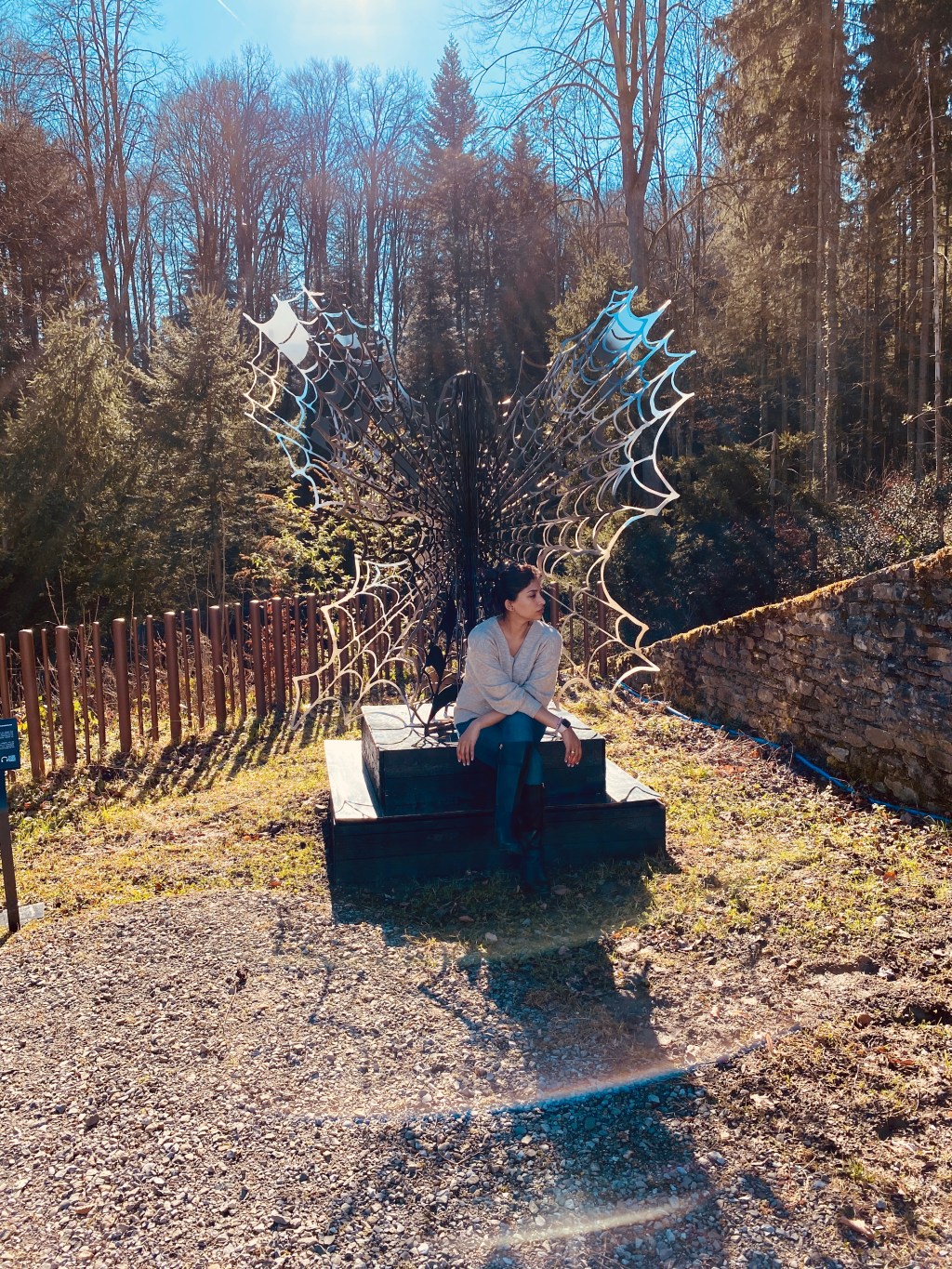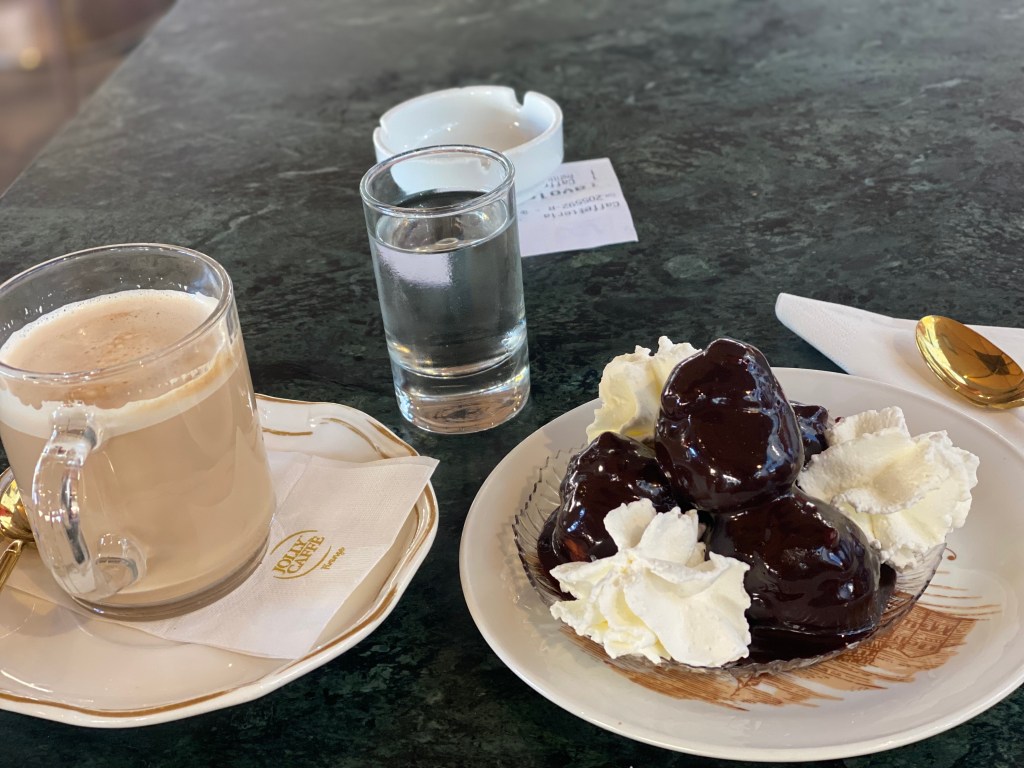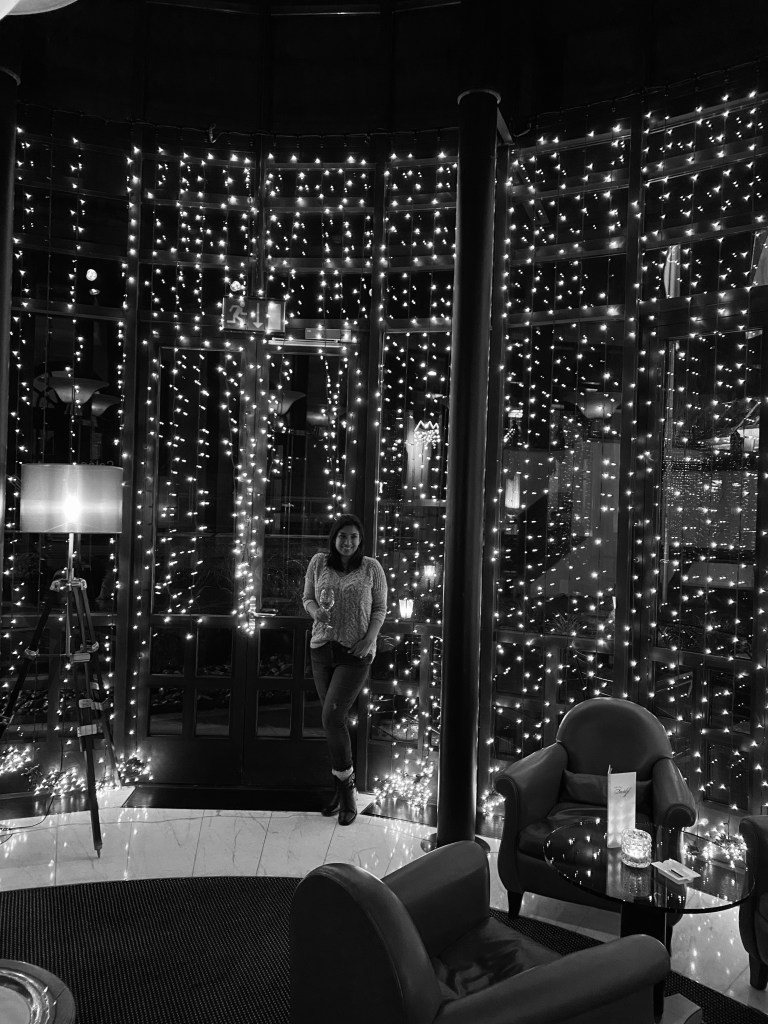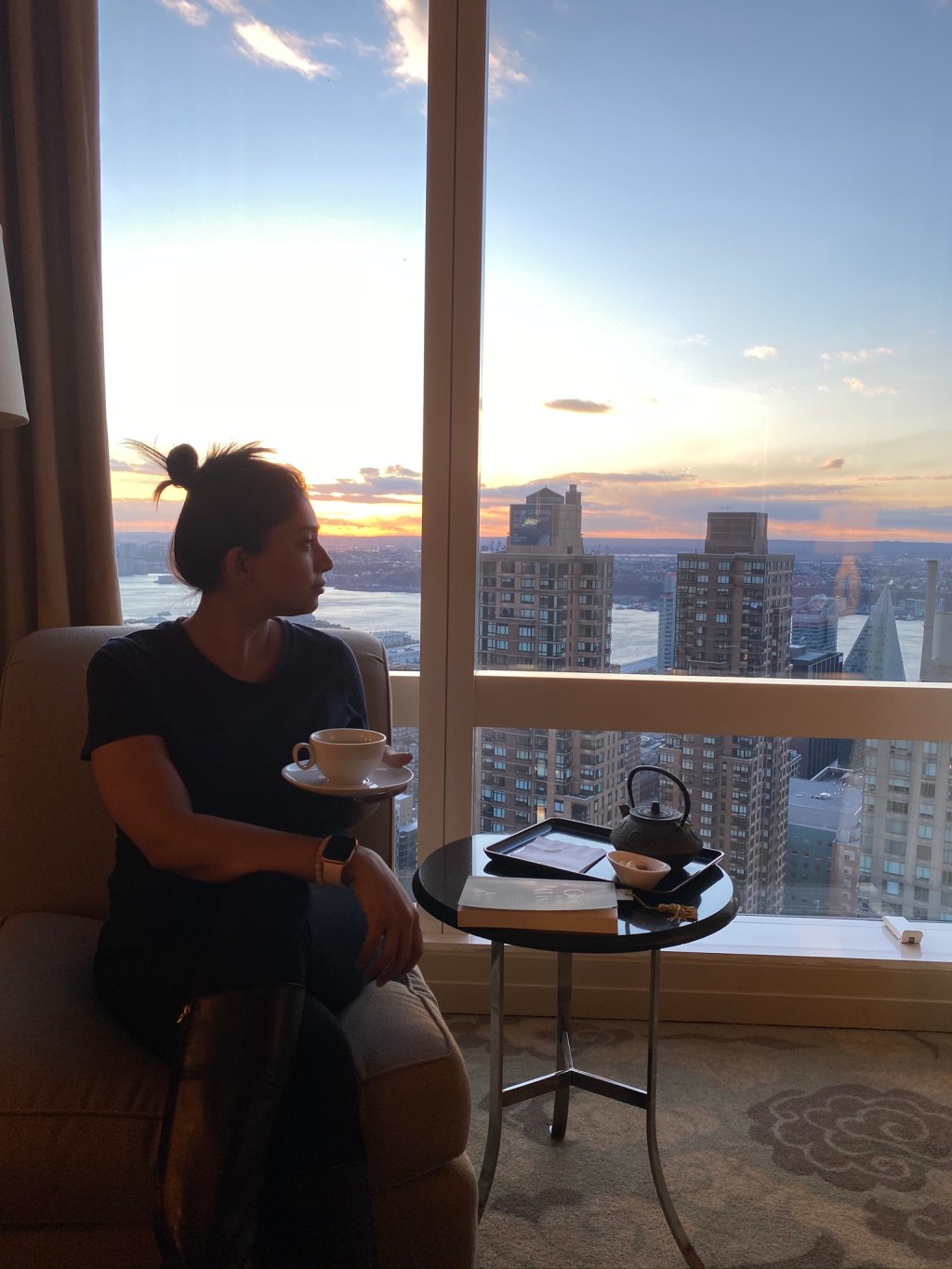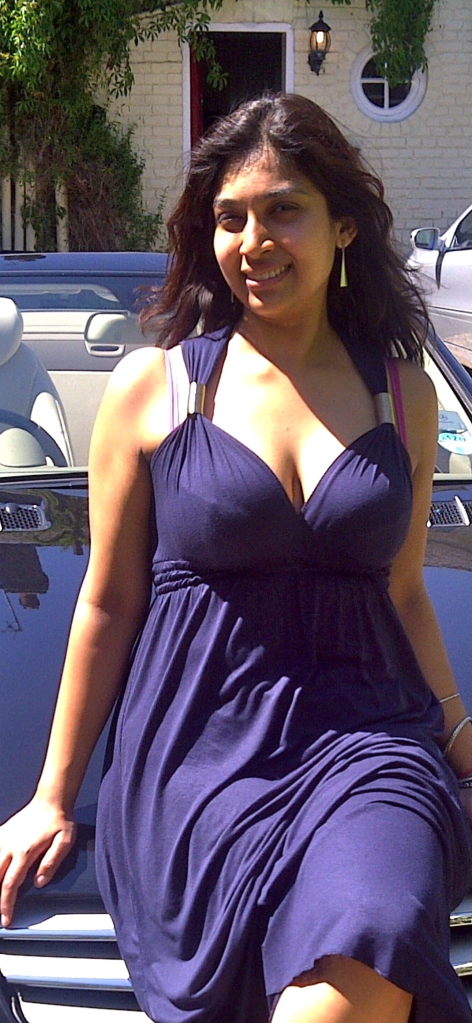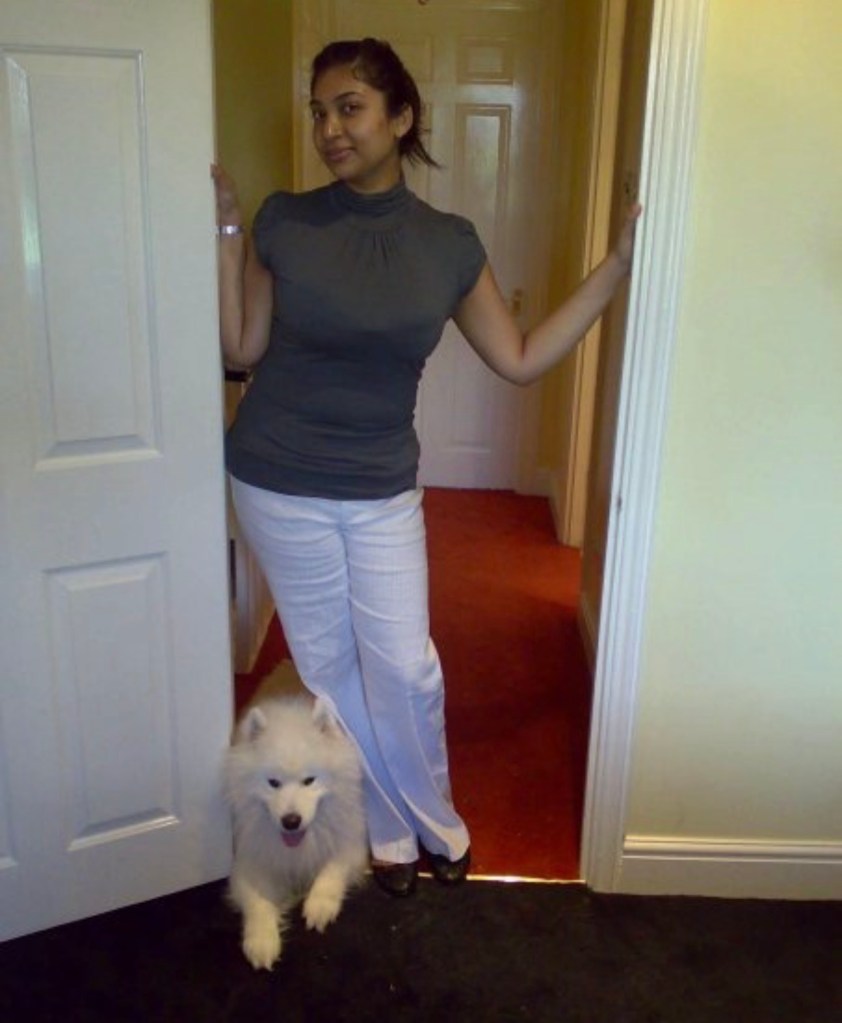
Hi, I’m Sarala — Caribbean corporate strategist/executive woman writing honestly about power, identity, leadership, reinvention and emotional truth.
After years navigating boardrooms, deals, and governance across the Caribbean, I’ve learned that life — like leadership — is best lived in chapters. Some are bold and ambitious. Some are quiet and healing. And most are best shared over a glass of wine and a wagging tail nearby.
This space is where I write about it all — the beautiful, messy balance of careers, canines, and cabernet. From reflections on purpose and courage to lessons from leadership, love, and dog walks, these are the stories that shape who I am — and, maybe, who we’re all becoming.
Pull up a chair (or pour a glass) and stay awhile. Here’s to life in chapters — imperfect, authentic, and deeply human.
My favorite subject in school was English Literature. I had the most inspiring teacher — a woman of confidence, grace, and quiet strength. She carried herself with such assurance and authenticity that you couldn’t help but admire her. She was sharp, witty, passionate, and unapologetically herself — the kind of woman who made you want to rise to your own potential.
Under her guidance, I fell completely in love with the written word. English Literature wasn’t just about analysing poetry or dissecting novels; it was about exploring humanity — emotion, resilience, heartbreak, courage. It opened my world to stories and voices far beyond my own, and taught me how words could shape thought, emotion, and even change.
It spoke to my creative side — the part of me that finds joy in expression, empathy in storytelling, and calm in reflection. I loved the rhythm of language, the beauty of interpretation, the way one line could mean something entirely different to each person in the room. To this day, being lost in a good book feels like home.
In a sea of subjects that had to be done, English Literature was the one I wanted to do. It grounded me, challenged me, and gave me a lifelong love for stories — not just those on the page, but the ones we live and tell every day.
“Time doesn’t just pass. It holds, reveals and remakes us when we let it.”
Do I need time? Absolutely.
I need time to breathe, to grieve, to grow. Time to undo the stories I’ve told myself. Time to learn how to move forward without rushing through the now. Time to be still, to be messy, to be human.
I need time — not to fix everything, but to understand that not everything needs fixing. To sit with my emotions without explaining them away. To make peace with the parts of my life that didn’t go as planned. To appreciate the chapters that shaped me and the ones I’m still writing.
Time doesn’t promise clarity — but it does offer perspective, if I allow it. So yes, I need time. And I’m learning that needing time doesn’t make me weak — it means I’m giving myself grace.
“Sometimes love doesn’t leave; it just changes its language.”
Chapter 2: There are some friendships that don’t fade quietly. They linger. They hum under your skin, the way a song does when you can’t remember the lyrics but the melody still aches in your chest. This is one of those.
We met as colleagues, and somewhere between long workdays, heartbreaks, wedding plans, margaritas, spin classes, and dog-sitting (and dog-hiding), a friendship was born. It was real, the effort, worth it. We laughed, we cried, we showed up for each other. There were house moves, career pivots, late-night talks, and limes that turned into family gatherings. You were in my home, in my life, part of my husband’s circle, woven into our rhythm. You were my friend in every sense of the word — ride or die, through all the messy, beautiful layers of adult life.
And then, one Christmas, it broke.
It was a long day — for both of us, I imagine. You had been out doing charity work; I had been hosting and running on fumes, but a night ended with an impromptu lime that you were invited too, and attended . At the end of the night, exhausted, I fell asleep at our mutual friend’s home ( who was hosting us) while you stayed chatting with my husband and another mutual friend. What happened next, I only heard about later: that you were angry, hurt, that you felt disrespected that I “fell asleep on you.” When my husband told me, I felt gutted. Shocked, even. We’d been through so much — surely one night of me dozing off couldn’t unravel years of love, trust, and laughter?
When you called, I asked — maybe too quickly, too emotionally — what had happened. You deflected, I got angry, and the call ended with neither of us saying what we really meant. And just like that, there was silence. No Christmas messages. No “Happy New Year.” Just absence — heavy and deafening.
In the months that followed, I heard through others that I had “ruined Christmas for you.” I never understood how or why. Every encounter after that — the polite avoidance at events, the studied indifference — pierced me in a way I couldn’t explain. It felt like losing family. You had been such a fixture in my home, my life, and now you passed me like a stranger. That hurt — deeply. It triggered something old and raw inside me: that familiar whisper of “you were never enough.” Another relationship where grace wasn’t extended to me. Another chapter where I felt I had to shrink to avoid being seen as difficult.
And if I’m being honest, I wasn’t innocent in that silence either — I too mastered the art of polite indifference, passing you by with the same careful distance that once wounded me. Were either of us right? No. But we were human — proud, hurt, and unready to meet each other in the middle.
I’ll admit this much: I could have handled it differently. I could have paused, breathed, and reached out with empathy instead of pride. But I was hurt. I felt blindsided, shamed for simply being human — for being tired, for letting my guard down. And when I’m hurt, my instinct is to retreat. My conditioning has long taught me that using my voice (in my personal life) causes trouble, that being “too much” makes me unlovable. So I stayed silent — and in that silence, the friendship withered.
Years later, I still think about you — especially at Christmas. I still feel a pang when I see your name or hear stories of you hanging out with people who once disliked and disparaged you, people who now seem united in the shared experience of not me. Maybe I helped build that community without meaning to. Maybe that’s the price of miscommunication left to rot. Sometimes I think about sending a message or adding your name to a guest list, but time has a way of widening the space.
Still, this friendship — this loss — has been one of my greatest teachers.
🌿 What I’m Learning (Still)
Silence isn’t peace. The things we don’t say often become heavier than the words we fear might hurt.
Ego wears many disguises. Sometimes it looks like self-protection; sometimes it’s just fear in a fancy coat.
We all carry our own pain. Maybe that night, you weren’t angry at me — maybe you were just exhausted, too. Maybe you needed grace I didn’t know how to give.
Childhood conditioning runs deep. When you grow up believing your feelings cause trouble, you learn to swallow them whole — but eventually, they eat you from the inside out.
Not every mirror is meant to last. You were one of mine — someone who reflected both my strength and my flaws. Losing that reflection hurt, but maybe some mirrors break to make room for windows — for seeing the world differently.
Regret isn’t weakness. It’s acknowledgment. It’s the tender ache that tells you you’ve grown.
Love doesn’t always return in the same form. Sometimes, all we get is the memory — and the quiet hope that we’ve both become softer, kinder versions of who we were.
I don’t know if we’ll ever speak again. Maybe we weren’t meant to last a lifetime. Maybe we were meant to teach each other something — about loyalty, pride, forgiveness, or simply being human.
But this much I know: I carry pieces of you with me. In every toast, every laugh, I think of how fragile connection is — and how easy it is to lose something sacred when pain and pride get in the way.
This is my regret, my reckoning, and my release. Not a plea for repair, but a whisper of remembrance — for what was real, for what was lost, and for what remains in the healing, after you.
✍🏽 Author’s Note
This chapter was one of the hardest to write — not because of the details, but because of the honesty it demanded. Regret has a way of clinging to the quiet corners of memory, showing up in the moments we least expect. I’ve learned that healing isn’t about erasing the pain or rewriting the past; it’s about sitting with what was — the hurt, the silence, the missteps — and finding meaning in the fragments left behind.
Friendship breakups are rarely clean. They are messy, layered, and often unspoken. This one still echoes, especially around Christmas — a reminder that love, even platonic, leaves marks. I am still learning that closure isn’t always a conversation; sometimes it’s simply choosing to live with tenderness for the version of ourselves who didn’t yet know better.
If this chapter resonates with you, may it remind you that regret doesn’t mean failure. It means you cared deeply, even if it didn’t end the way you hoped. And that, in itself, is something sacred.
“I wouldn’t relive a single chapter, because every scar, stumble, and spark shaped the woman I am — proud, wiser, and still becoming.”
“Is there an age I’d relive?” There are so many pockets I could choose — moments where I made a decision, or didn’t… paths taken or left behind. But truthfully, every experience — the beautiful and the brutal — shaped me into the woman I am today. And in this moment, I can say I’m proud of who I’ve become, both personally and professionally.
We’re always starting (and restarting) from a place of net positive, because our experiences are already in the bank. Sure, there are so many ‘do-overs’ I could wish for — but without them, I wouldn’t have gained the lessons I now hold close.
Even the most meaningful moments—those I treasure deeply—sometimes feel better preserved in memory. Because no do-over can ever bring back the magic of ‘the first time.’ The wonder, the spontaneity, the rawness of living it without knowing the outcome… that’s what makes it unforgettable. So even the best parts, I wouldn’t want to relive—only revisit through reflection, with gratitude.
On my worst days, when I didn’t know what was next or how I’d make it through — I did. Whether it was faith, fate, God, or just choice — I did. And I’m wiser for the pain and grief, and I bloom brighter for every laugh that followed.
“Some tears were lessons, some were release — but every drop helped me grow.”“And still, I bloomed — louder, lighter, wiser. Joy always found its way back.”
If you have to put on a show to fit in — especially at the cost of the people who genuinely care for you — it isn’t worth it.
We are all enough. Not less than. Not better than. Just enough.
The moment you start performing to feel secure or to appear like you “fit in,” you start drifting away from yourself. Authenticity isn’t about perfection; it’s about peace — being able to show up as you are without needing to shrink or shine unnaturally to be accepted.
The truth is, you don’t lose people when you stop performing. You lose the audience that was never meant to stay — and you find your people, the ones who love you for who you really are.
Learning to love the body that’s been carrying me all along.
At 40, with a thyroid that needs daily care and a body that doesn’t always cooperate, I’m learning that self-image is not a straight path. This post isn’t about diets or confidence hacks — it’s about the uncomfortable work of looking in the mirror, unpacking old words, and finding peace in the reflection that looks back.
Lately, I’ve been struggling — again — with my “hormone tummy.” That stubborn bloat that makes me feel less than.
As a newly minted 40-year-old with an underactive thyroid (hello, daily meds) and a picky-eater vegetarian diet, I know my body is dealing with more than just food choices. But still — it’s hard.
So I decided to do the brave, uncomfortable thing: take it to therapy.
Now, I consider myself articulate. I can talk about grief, burnout, even trauma — but this? Saying the words, “I want to talk about feeling unattractive or down about how I look,” felt raw. Almost shameful.
The “Ascribed List”
In that session, we unpacked conditioning — who told me (or didn’t tell me) that I was pretty, who compared me, who praised or ignored. We spoke about this invisible “ascribed list” — the list of what I think I should be to feel attractive.
And honestly, I couldn’t pinpoint a time when someone told me I wasn’t pretty. But I also couldn’t recall much positive reinforcement either. That silence leaves its own kind of echo.
Then came my “aha” moment: my picky eating. My therapist shared that, in some cases, children develop picky eating habits as a way to control something when everything else feels uncontrollable.
That clicked for me. My childhood pickiness wasn’t “bad behavior.” It was my way of having agency when life felt uncertain. The relief I felt in that realization was enormous — to know there was a reason, not just “something wrong with me.”
Now the real work is asking: why do I still live this way as an adult, when no one is taking away my autonomy anymore?
The Weight We Carry
This isn’t the same as imposter syndrome — though they both live in the same emotional neighborhood. For many women, our relationship with ourselves is layered: hormones, diet, stress, self-perception. Our bodies speak the stories our minds don’t always say out loud.
Take my little dog, Isabella. She’s been unwell lately — pancreatitis. The vet gently said that stress could be a trigger. And it struck me: she gets sick after long boarding stays, when she’s been unsettled. Stress lingers. It manifests.
We’re not that different. We are living, breathing ecosystems — carrying emotions in our bodies, processing change in our skin, our stomachs, our sleep.
The Words That Linger
Years ago, in a toxic relationship, an ex told me he wasn’t attracted to me anymore because I “looked like a pumpkin.”
Those words stuck — like cobwebs in the far corner of the ceiling that you only notice when the light hits just right. They live there quietly, until a bad body-image day turns the light on again.
We carry so much weight that isn’t ours — trying to control what we can so we “achieve” what we think we should. We hide our shame and call it discipline. We silence our pain and call it strength.
But all that pretending — it’s exhausting. And isolating.
What Really Matters
When I hit a career pivot, I felt completely lost. For so long, my identity was tied to my job — and when that changed, I questioned my worth. Some “friends” faded. Others judged quietly.
And yet, as I built this softer, more intentional life — focusing on health, healing, and balance — I thought this would be my glow-up era. So what does it say about me if my tummy is puffy?
Maybe it says I’m human. That my body — this body — has carried me through everything.
The stress. The grief. The laughter. The love.
Maybe that’s what the glow-up actually is: the grace to love ourselves in the in-between.
The Mirror and the Light
Life is short. Precious. Unpredictable.
We will feel “less than.” We will struggle. We will stare in the mirror and wonder where our confidence went. And that’s okay.
We can hold space for both gratitude and grief, confidence and doubt. Healing and humanity can coexist.
So today, I’m reminding myself — and you — that the light we shine doesn’t come after the dark. It comes through it.
And maybe, just maybe, that little hormone tummy isn’t my enemy. It’s my reminder that I’m still here. Living. Learning. Becoming.
✨ If a genie ever showed up mid-latte, here’s what I’d wish for:
A wardrobe that edits itself — pieces that know when I need confidence, comfort, or a little drama.
A cup that refills to match my mood — cappuccino for clarity, wine for wonder, and something bold when life calls for courage.
The ability to talk to animals — imagine morning pep talks with your dog, gossiping parrots, or life advice from a wise old sea turtle.
Maybe wishes aren’t about magic lamps after all — maybe they’re about giving ourselves permission to want ease, joy, and a little everyday enchantment. ✨
Some Sundays are simply meant to refill your soul — the kind that start with a spin-sculpt class, sneak in a three-mile jog, a lingering lunch with your favorite human, and end with the kitchen looking like a pasta crime scene.
Yesterday was one of those days.
After meal-prep mayhem, we found ourselves stretched out by the pool, sun-kissed and relaxed, ending the evening with The Reluctant Traveler — Eugene Levy’s beautiful awkwardness was the perfect soundtrack to a day that reminded me how lovely ordinary moments can be.
Today, I woke up recharged — grateful for my little household and the rhythm of a Sunday that had movement, mess, laughter, and love in equal measure.
🐶 The Canine Chronicles
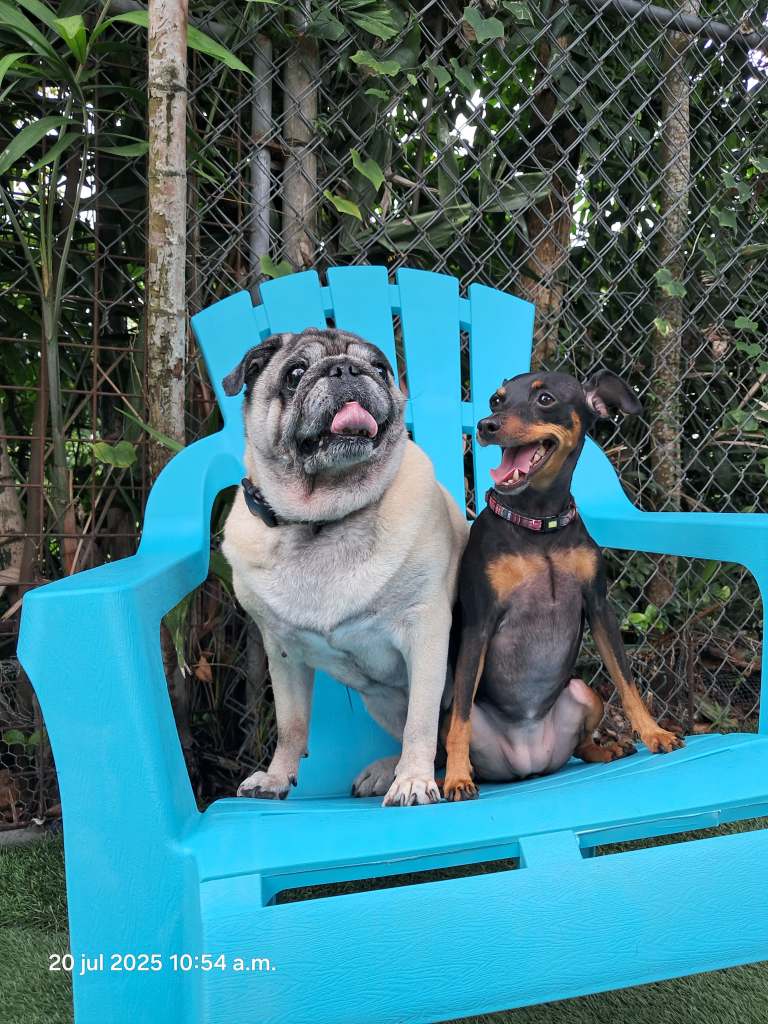
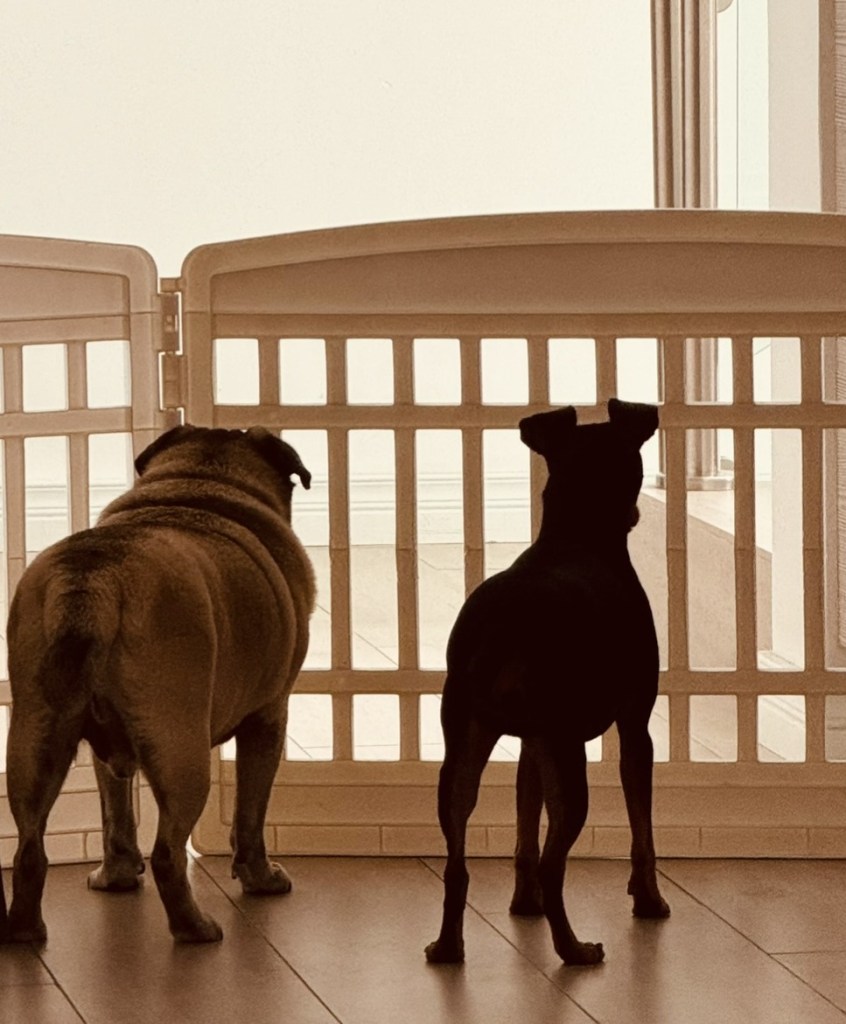
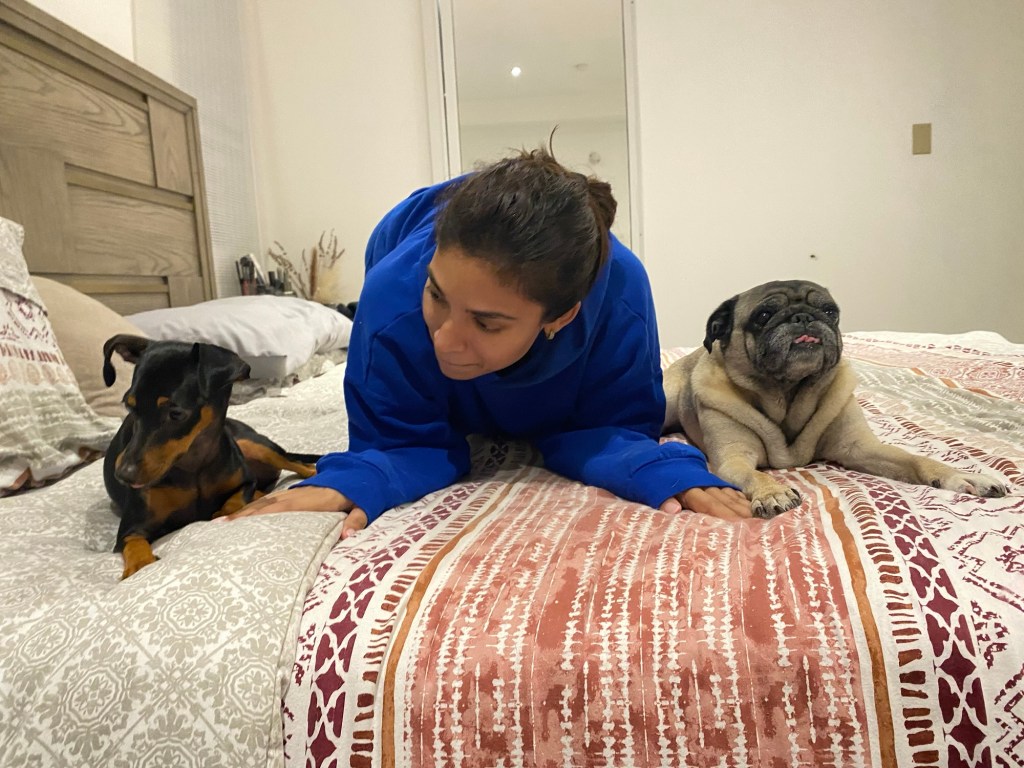
Let’s talk about the real rulers of the household: George and Isabella.
George, our distinguished 11-year-old pug, is a gentleman through and through — calm, loyal, expressive, and just vocal enough to remind you who’s boss. He came into our lives as an engagement gift from my husband — my first “small breed” dog and, truthfully, my first real lesson in unconditional love packed into a snorting, snoring, four-legged bundle.
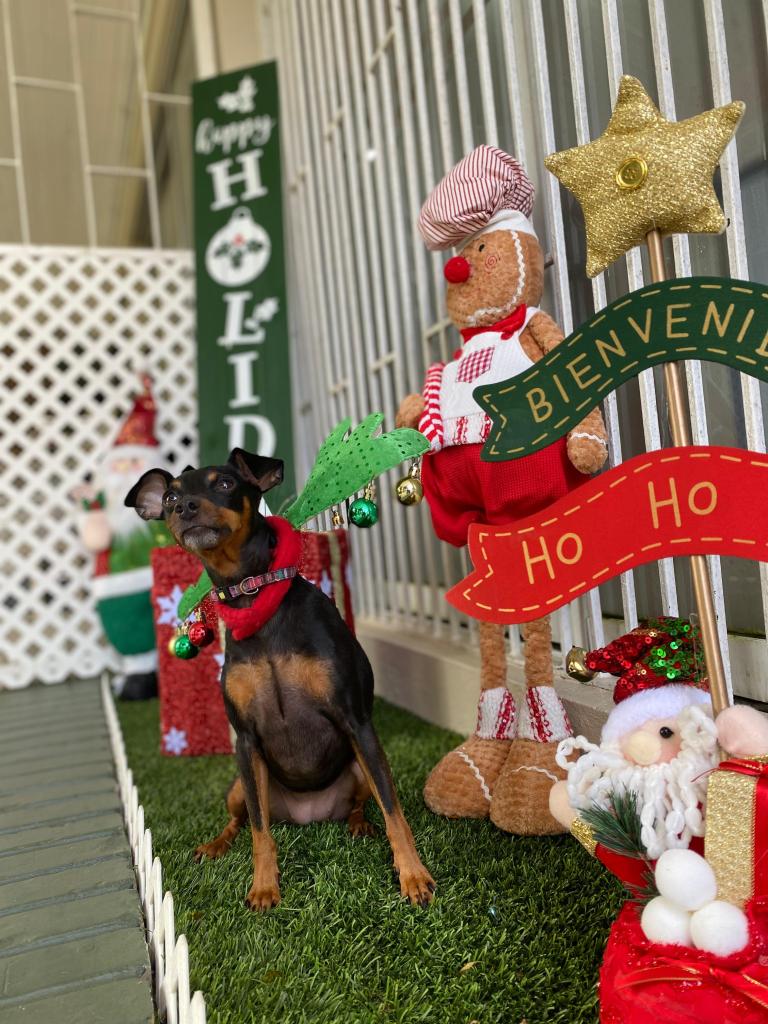
Then came Isabella, my spirited little miniature pinscher who arrived in our lives in less-than-ideal circumstances — timid, tick-covered, living in filth, and barely strong enough to stand. We “rescued” her (read: paid for her freedom) from a pet shop, and she promptly taught me the meaning of chaos, resilience, and devotion.
That first week, I sat on the bathroom floor and cried in frustration — she’d walk half a centimeter off the pee pad, pee, then step back on it to watch me clean up. The audacity! Pure, unfiltered Min Pin energy.
They say pets mirror their owners, and I’m convinced Isabella is me in dog form: feisty, stubborn, small but mighty, and occasionally impossible.
George, though, is balance personified — steady, loving, protective, and probably plotting his next shrimp heist (he once projectile vomited after stealing one; we’ve since learned our lesson). Together, they’ve carried me through some of my brightest days and darkest nights.
They are my family. My constants. My teachers in patience, empathy, and what it means to be fully present.
🍷 The Cabernet (Well, Beaujolais) Chapter
The irony isn’t lost on me that my blog is named Canines and Cabernet when Cabernet actually gives me acid reflux. But we pivot!
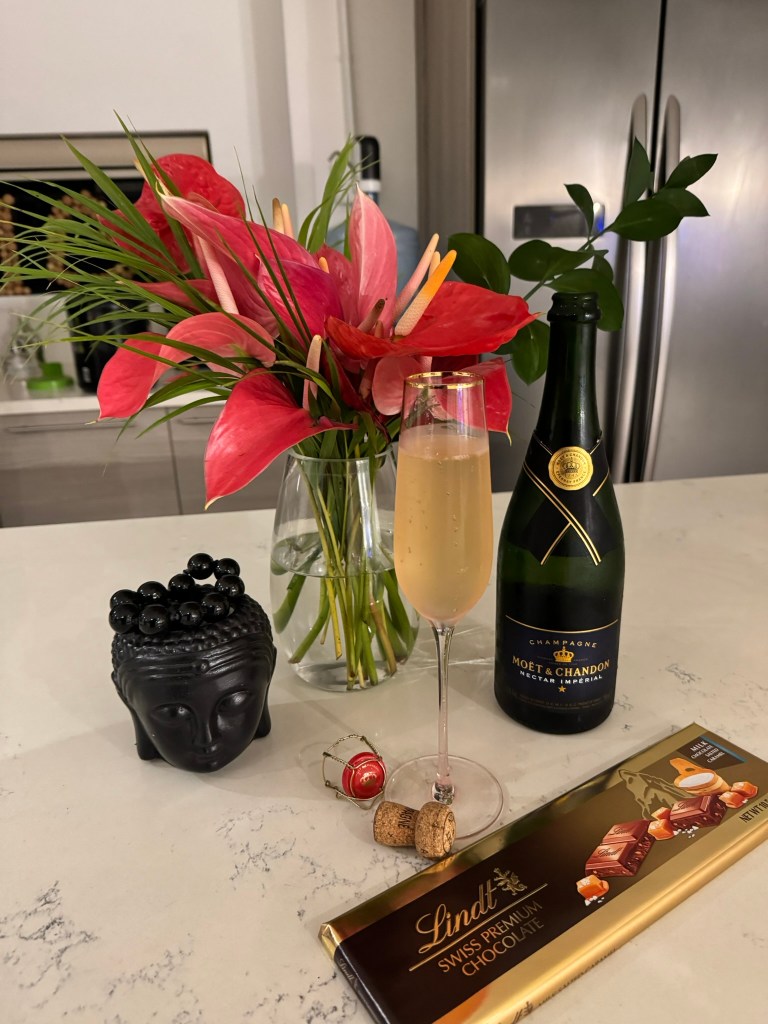
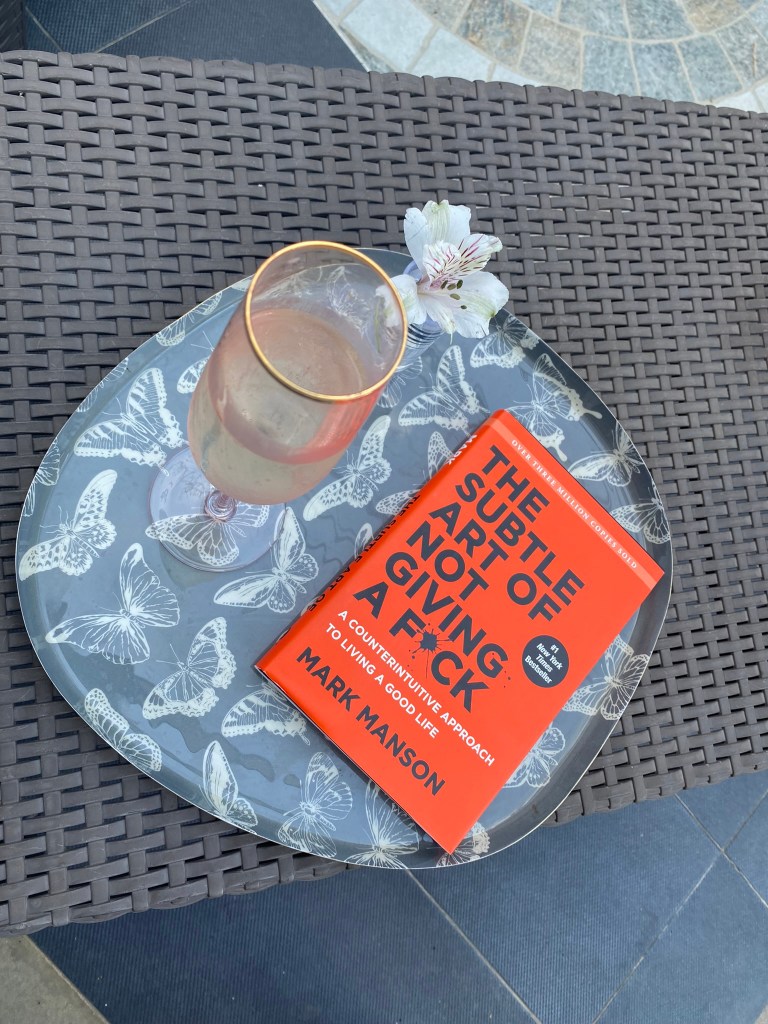
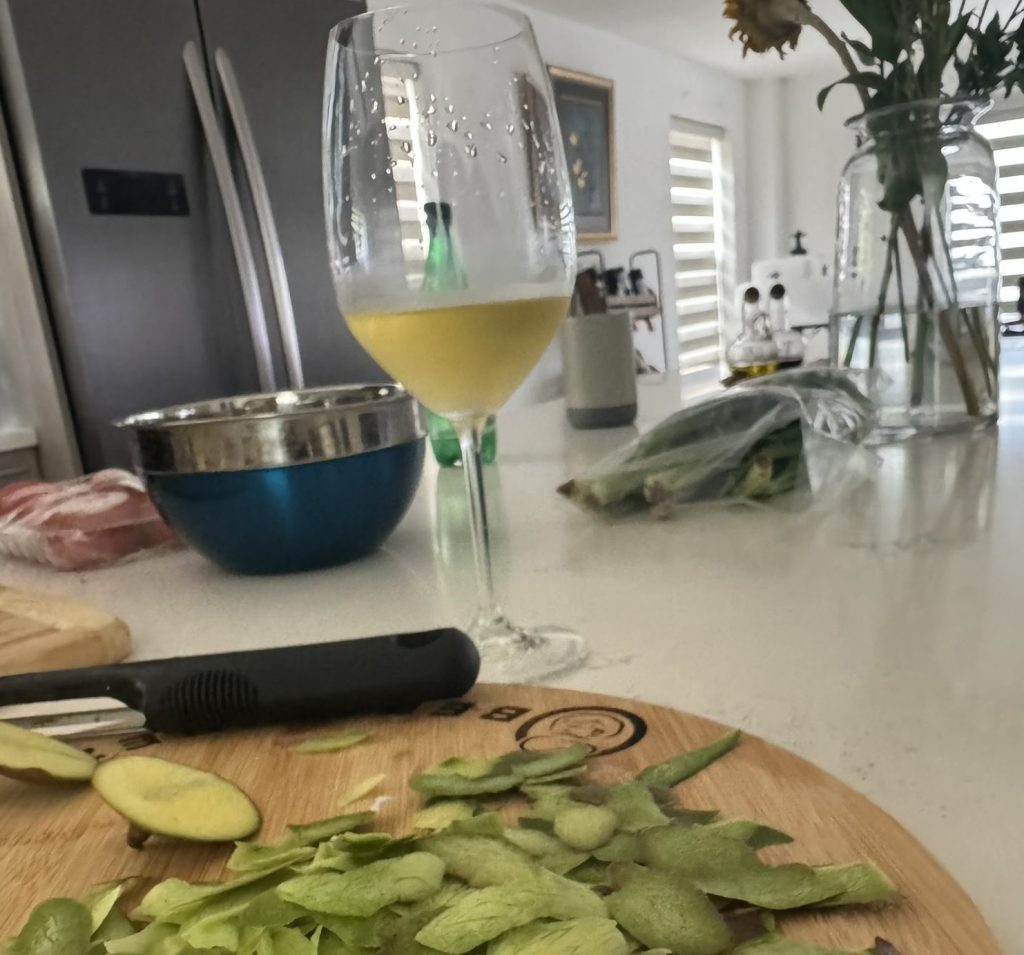
Yesterday called for a softer red — a Beaujolais-Villages Gamay — smooth, round, and delightfully easy to sip. There’s something comforting about wine that doesn’t demand attention — it simply complements the moment.
I’d describe it as the liquid equivalent of a salted caramel sourdough brownie (don’t ask me why — it just fits- knock knock, The Culture Co.?). My husband, who doesn’t share my wine obsession, opted for a Vodka and Perrier, and somehow, that combination — wine, laughter, music, and a slightly tipsy pasta chef — made for the perfect Sunday pairing.
For my hesitant wine drinkers: Gamay is your friend. It’s the approachable cousin of the heavier reds — smooth without the bitter aftertaste, easy enough for a casual afternoon, yet classy enough for any table.
🍝 Pasta, Parenthood & Presence
Between simmering pesto, chopping veggies, and trying not to brutalize song lyrics, I realized — this is the good stuff. The mundane, messy, music-filled moments that we often overlook while chasing the next big thing.
My dogs watching us cook. My husband’s laugh as I got lyrics wrong and my pesto exploded on my counter. My glass of wine, half-finished, resting next to a pile of dishes ( are you a wash as you go personality?).
In those moments, life felt full. It wasn’t always so; and that’s for another chapter.
I don’t know if George and Isabella will always be my only babies or if I’ll ever be blessed with a two-legged one — but right now, this is my little universe, and I’m so grateful for it. They remind me daily that love doesn’t need to be loud to be real. Sometimes it’s snoring beside you or staring up at you with complete trust at 2 a.m. after a questionable floor-licking episode.
🎃 A Toast to the Good Days
So here’s to Sundays that blend health and indulgence, laughter and laziness, fur and family. To Beaujolais instead of Cabernet. To pasta, patience, and pug snores. To gratitude in the small, silly things.
It’s spooky season — Halloween, I see you — but for now, I’m just thankful for the ordinary magic that made this Sunday feel like a blessing.
If I had to describe a family member, the one that resonates deeply in my being is my maternal grandfather… He was a breath of fresh air, my joy and anchor as a child. From tasting whiskey after he dipped his pinky finger in his glass, to running away for Chinese food on an afternoon- jumping into his white Mazda we could conquer the world. A gentleman of principle- I never heard him raise his voice, but not because he was weak- he commanded respect and attention with his compassion and understanding. He truly saw me- even then- the wild child with the bold voice who would not conform. It’s such a privilege to look back on someone and only be filled with warmth of their presence. In what was an otherwise rigid childhood he was my pocket of joy.
Ironically, I was rewatching old episodes of Bones while jogging yesterday — the episode featured an astronaut fighting to regain his health just to return to space, and a “squint” (lab rat) who actually bought a ticket to go. Cue Savage Garden’s “I’ll fly you to the moon and back…”
But truthfully? There are some mysteries of life that should remain just that — mysteries. If I ever had the means to go to outer space, I’d like to think that I’d leave that adventure to the professionals. I’d rather spend that money on things that bring me real joy and meaning: supporting no-kill shelters, helping those in need, nurturing my passions, and yes — enjoying more of this incredible planet we already have.
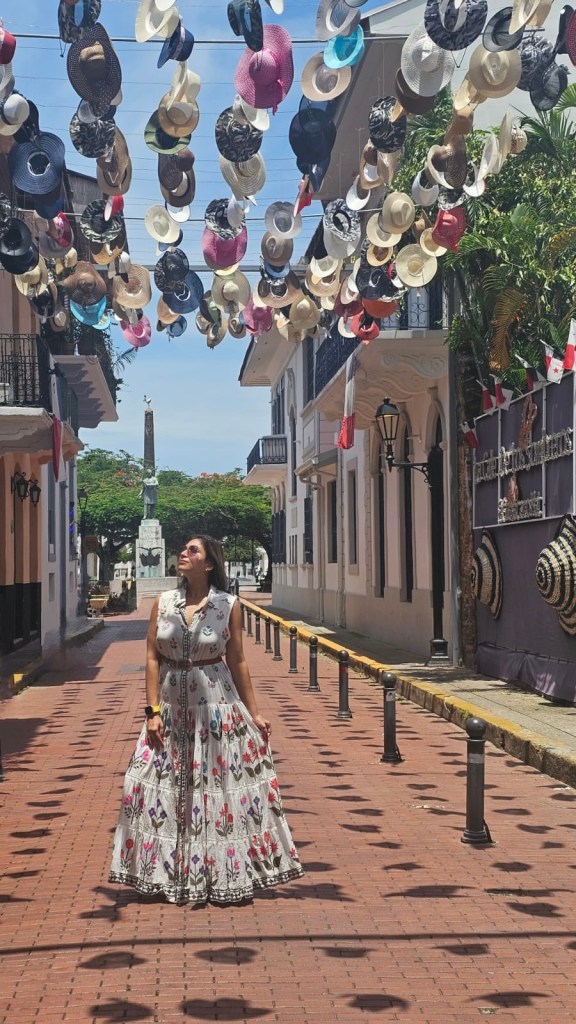
Why chase the moon when there’s still so much of Earth I haven’t seen, understood, or even allowed myself to experience? In this chapter of my life, I’m more interested in deep connection, authentic joy, and leaving performative living behind. Not everything that’s possible is necessary — and not everything that’s extraordinary is worth escaping gravity for.