Sarala Life — Life in Chapters: Careers, Canines, Cabernet & Courage

Join me as I document what it really takes to rebuild your career, confidence, income and identity after the life you planned changes.

  • When Rejection Feels Like Ruin (Until It Becomes Redirection)

    On doubt, despondence, survival, and the quiet work of becoming.

    Disclaimer: This post touches on themes of grief, trauma, mental health and suicide. If any part of this piece feels heavy for you, please pause, take a breath, and return only if and when you feel ready. None of this is meant as advice—only as a reflection of my lived experience, written with care and honesty.

    There’s a quote we all love to repeat:
    “Rejection is redirection.”

    Lovely on paper. Hard in real life.
    And almost impossible to believe when your world is shifting beneath you.

    We rarely talk about the messy middle—the space between the rejection and the redirection. The stretch of time where you doubt everything, including yourself. The waiting. The sadness. The moments when your body whispers, “Enough.”

    Because sometimes redirection doesn’t feel divine.
    Sometimes it feels like loss. Like despondence, not just sadness.

    And yes, I learned recently there’s a difference.

    Sadness ebbs.
    Despondence hollows.
    It sits with you long after the moment has passed, long after the trauma has subsided, long after everyone assumes you’re “fine.”

    How Much Rejection Can One Heart Hold?

    Friendships that fade.
    Relationships that break.
    Career pivots that don’t land.
    Jobs that disappoint.
    Family wounds that reopen themselves every few months like clockwork.

    It adds up.
    And there comes a point where one day—one year—one chapter—your body simply says, “No more.”

    You withdraw.
    You retreat into the comfort of your sofa.
    You choose silence over company, solitude over socialising.
    And you wonder why you no longer recognise the version of yourself you’ve always been.

    But change, even the good kind, comes with fear.
    We are creatures of habit—tied to our titles, our lifestyles, our neighbourhoods, our routines, the quiet nods of recognition when someone asks, “You live here?”

    Losing that stability—voluntarily or otherwise—can shake a person to their core.

    And yet… there’s another side to this story.

    Some chase “more” so hard they lose themselves entirely.
    Others become “richer” in the world’s eyes but emptier on the inside.
    And some of us… some of us simply sit with ourselves and learn to be okay with the quiet.

    The Privilege of Loss

    I’ve lost family, friends, colleagues—sometimes in the same chapter.
    I call it a privilege now, though it never felt like one.

    Because it forced me to sit with a truth I spent years outrunning:
    There were-and are- seasons where my phone didn’t ring for weeks.
    No one checked in.
    No one asked if I was okay.

    It put “sitting with myself” into perspective.

    A few months ago someone told me, “You hide pain well.”
    Was it a compliment? A warning? A mirror?
    I still don’t know.

    Another person once told me I was a bad friend because I didn’t share my problems—a red flag wrapped in a backhanded hug.

    But here’s what I know now:
    We all cope differently.
    And what we need is not permission to struggle—but healthier ways to navigate the struggle.

    Grief, Joy & Co-Existence

    Earlier this year, a dear friend of mine died by suicide.
    He wrote his own eulogy—carefully, methodically, heartbreakingly.
    Phrases like “I’m tired,” “I’ve lived a full life,” and “This brings me peace” echo inside me still.

    Grief sits with you.
    Silence follows you.
    And life goes on around you whether you can keep up or not.

    I’ve had my own moments—the 2009 Pizza Express meltdown where my heartbreak came with a free meal and a complimentary dessert.
    And the 2023 version of me eating profiteroles alone in Rome, joyful and unbothered.
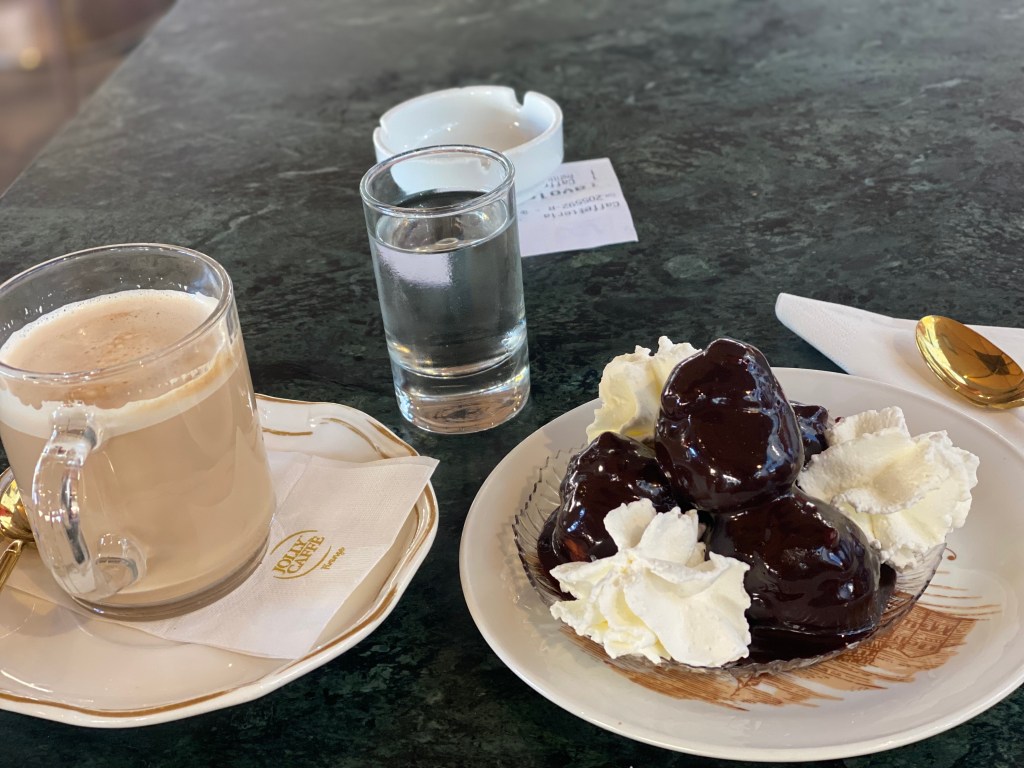
    Same solo dining.
    Two entirely different women.

    Time doesn’t always heal.
    But it does reframe.

    A Season of Lights, A Season of Shadows
    As Thanksgiving and Christmas wrap the world in soft glow, I want to say this:

    It’s okay if your Christmas spirit is late.
    It’s okay if joy feels complicated.
    It’s okay if you smile with one hand and steady your sadness with the other.

    Many feelings can coexist.
    Many seasons can overlap.
    Many truths can be held at once.

    People who care will hold space.
    People who don’t will drift away like they were always meant to.

    Rejection, Redirection & Fear

    Let’s not romanticise it.
    When you’re worried about your next paycheck, a changing family dynamic, bills, responsibilities, survival itself—it’s hard to believe in “redirection.”

    But it’s also where the quiet work begins.

    Here’s what I know:
    I have survived my worst days (so far).
    The tear-soaked prayers, the ink-streaked journal pages, the doggies staring in confused concern—all of it.

    I am still here.
    A lot less friends.
    Less money.
    A different identity.
    A changed perspective.
    But here.

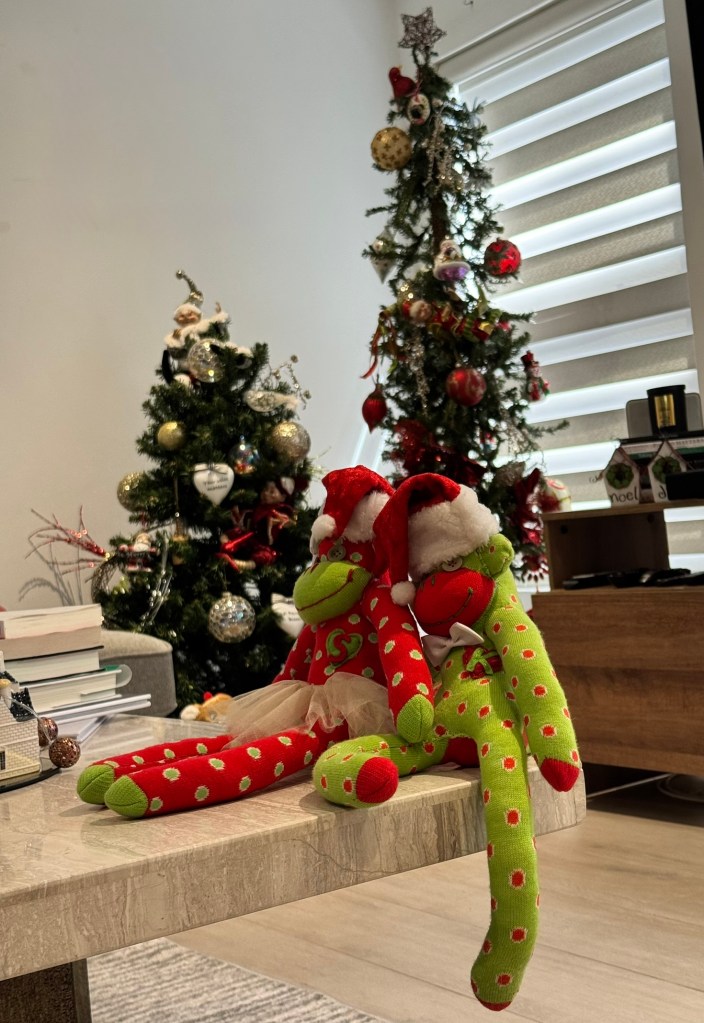
    And when I plug in my Christmas tree, I still smile.

    We find ways—if we choose to and if we’re able.
    Some of us need help. Some need rest. Some need time.

    Lessons & Actions (gentle, real, doable):

    1. Let yourself feel the doubt.
    Belief doesn’t come immediately. Redirection is something you see in hindsight.

    2. Sitting with yourself is not failure.
    Sometimes it’s the only way to hear what your life has been trying to tell you.

    3. Not everyone is meant to stay.
    Loss has a purpose. Space has a purpose. Silence has a purpose.

    4. You can hold grief and joy at the same time.
    There is no “right” way to feel during the holidays.

    5. If no one calls your phone, message yourself.
    Write your own encouragement. Speak over your own life.

    6. When rejection hits, ask two questions:
    What is this teaching me?
    What can I do next?

    Victimhood won’t serve you.
    Agency will.

    7. Your life can be redesigned at any age.
    Start with one small thing you can control today.

    Closing Reflection

    Maybe 2025 felt like Mercury retrograde every single day.
    Maybe 2026 will be kinder.
    Maybe it won’t.

    But you will carry wisdom into the new year.
    You will carry truth.
    You will carry resilience.
    And you will carry yourself.

    Rejection isn’t immediate redirection.
    But it can be, with time, tenderness, work, and belief.

    And sometimes that belief begins the moment you whisper to yourself:

    “I’m still here.”

    Before you go…
    Take a moment with this:

    “If you could whisper one sentence to your past self, what would it be?”

    Let that answer rise gently — without judgment, without rush, without expectation. Sometimes the truth we most need to hear is the one we’ve avoided saying out loud.

    ✨ Closing Call to Action

    If this piece found you in a moment of doubt or heaviness, I hope it reminded you that you’re not alone. Take a moment today to truly check in with yourself — what do you need, what can you release, and what small choice can support your future self? If you’re navigating your own season of rejection or redirection, feel free to share your reflections below. Your story might be the reminder someone else quietly needs.

    And if you’re finding it hard to carry everything on your own, please reach out to someone you trust — a friend, a therapist, a support line, anyone who can help hold some of the weight. You don’t have to walk every chapter alone.

    ✨Gratitude Prompt

    Take one minute today and name three things you’re grateful for — even if one of them is simply that you woke up.
  • The ROI of Rest: A Chapter of Stillness & Strategic Recalibration

    A Strategic Pivot in my own ROI.

    Last week, I stopped. Properly stopped. Not a soft pause, not a “let me just clear these last three emails,” not a pseudo-rest where I’m still hustling in the background. No. I mentally, physically, and spiritually flatlined and just… laid down.

    And it was hard.

    If you know me, you know rest used to feel like waste. Like failure. I didn’t know how to exist separate from work, productivity, or a trauma response that kept me on alert—waiting for the text… the call… the email that would yank me back into action regardless of time, date, or decade. I lived plugged into urgency like an IV drip.

    But last week, my mind and body whispered (then yelled): lay down for a bit. And for once, I listened. I’m grateful I’m in a season of life where I could listen—but the guilt still came. Because learning to be kind to yourself is its own curriculum. (Ironically, advice given to me by someone I no longer speak to… more on that in another chapter.)

    Success isn’t only built in movement. Sometimes it’s built in the quiet—no phone in hand, no book, not even Alexa playing “Meditation Sounds for Burnt-Out Women.” Rest is a skill. One I’m still learning.

    We have to learn to rest with the same intensity we learn to “perform.” And it is not selfish. “Time,” like “success,” like “life,” is personal. For someone with a free afternoon, rest might look like a three-hour nap. For someone juggling a calendar, it might be fifteen minutes sitting alone in your car with a coffee and your own thoughts. Those “reflect” minutes on your Apple Watch count. That 15-minute block you put in before a long meeting for coffee and a bathroom break? Counts.

    And while we’re here—can we talk about time respect? I once worked with an executive who was chronically late to the meetings they scheduled—sometimes not showing up at all. Yes, things happen. But patterns matter. It wasn’t just disrespect for others; it was self-disrespect—always living in the back-to-back chaos, never in control of time but ruled by it. I learnt this the hard way: Not every fire is yours to put out. And not every urgency belongs to you. I may be a subject matter expert in my field, but I’m also the subject matter expert in my life. So I decide the cadence, urgency, and priority—including rest—as long as I’m willing to accept the consequences.

    There are no silos in life. Everything is interconnected. How you show up in one space is a reflection of how you are nourishing (or neglecting) the others.

    A few years ago, I had my version of an out-of-body experience—not the woo-woo kind, but the kind where I was so entangled in one part of my life that I disappeared from myself entirely. I forgot my own rhythm, my core values, my north star. We talk about dulling pain through alcohol or sex or distraction—but we also dull it with overwork, over-scheduling, avoidance, and hyper-performance. Grounding matters. And when you’re grounded, it shows.

    So last week, at 11 a.m. on a Tuesday, I lay on my sofa, stared at the ceiling… and just existed. No purpose. No productivity. Just being. And I’m proud of that.

    On paper, my work productivity was minimal: one meeting, one email. But personally? I rested. I got my 10k+ steps. I exercised. I put up the Christmas tree because twinkle lights make the world better. I walked the dogs. I read in the backyard. I poured a glass of wine. I made tea in my mother’s 68-year-old teapot and set my formal Christmas table for no reason except joy. I took a drive. I walked around the pharmacy and bought nothing. I dropped my husband off at his club. I chose me.

    And I woke up today grateful. Ready. Not because life is suddenly easy, but because I gave myself what I needed before I needed it.

    This week will be full—three days of external meetings, two evening events, hosting somewhere in between—and I feel good. And if I don’t? I’ll pivot. Flexibility is a part of wellness too.

    So this chapter is really about the ROI of rest. My EPS—my share value—is high, and it’s exclusively available to the genuine. Let’s use that corporate talk on ourselves. Measure the return on your energy, not just your output. Carve out your own KPIs: joy, peace, clarity, sleep. The things that don’t go in a report but show up in how you show up.

    And if you needed a sign: it’s okay to put the laptop down.

    Also… it’s almost Christmas.

    👤 ABOUT THE AUTHOR

    Sarala Rambachan is a corporate commercial attorney, governance strategist and writer exploring life through the lens of growth, culture, courage and Caribbean womanhood. When she’s not rewriting legal frameworks, she’s rewriting her own — one chapter, one glass of wine, and one walk with George and Isabella at a time.

    🕵🏽‍♀️ CLUE OF THE WEEK
    I once judged myself for laying on the sofa at 11AM. Last week, I called it strategy. That’s the growth.

  • What’s the coolest thing you’ve ever found (and kept)?

    It’s easy to dim yourself to fit in. To shrink, to stay silent for peace, to hustle past purpose. It’s easy to stay somewhere just because leaving looks hard—or to hold onto shame that was never yours to begin with.

    But the coolest thing I’ve ever found—and fought to keep—is my truth.

    Reclaiming my voice, my power, and knowing what actually matters to me. Learning to communicate better. Letting go of guilt for changing seasons, releasing people, or stepping into something new. That’s treasure. Because the truth is: I’ve survived days I thought would break me. And if I can do that, I can survive anything.

    So no, I don’t want to be everyone’s cup of tea anymore.

    I’ll be the champagne.

  • 🌱 The Chapter of Growth: Becoming at Seventeen

    At seventeen, I left Trinidad with a suitcase full of dreams and a heart full of fear. London sounded like freedom — cobblestone streets, law school, independence, maybe even the life I thought I was ready for. But what looked like a dream was dotted with growth, laughter, tears, and a thousand tiny lessons in womanhood, identity, and survival.

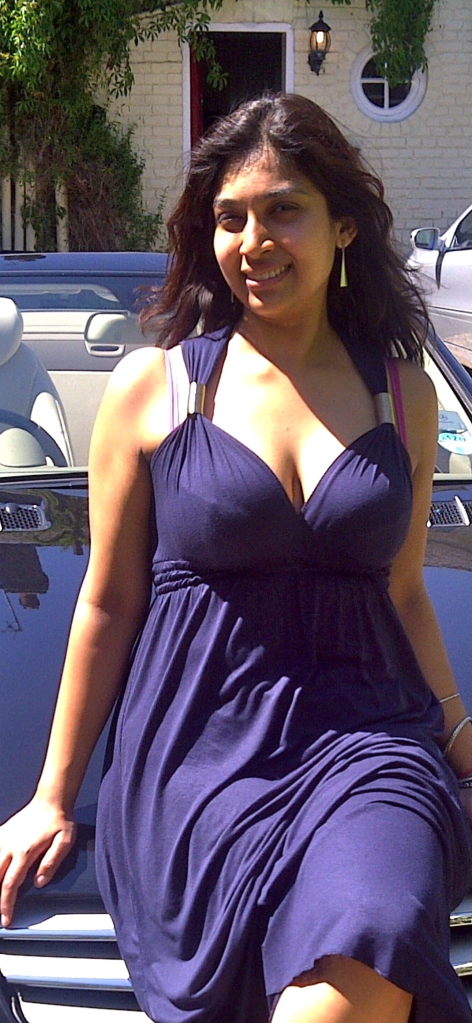
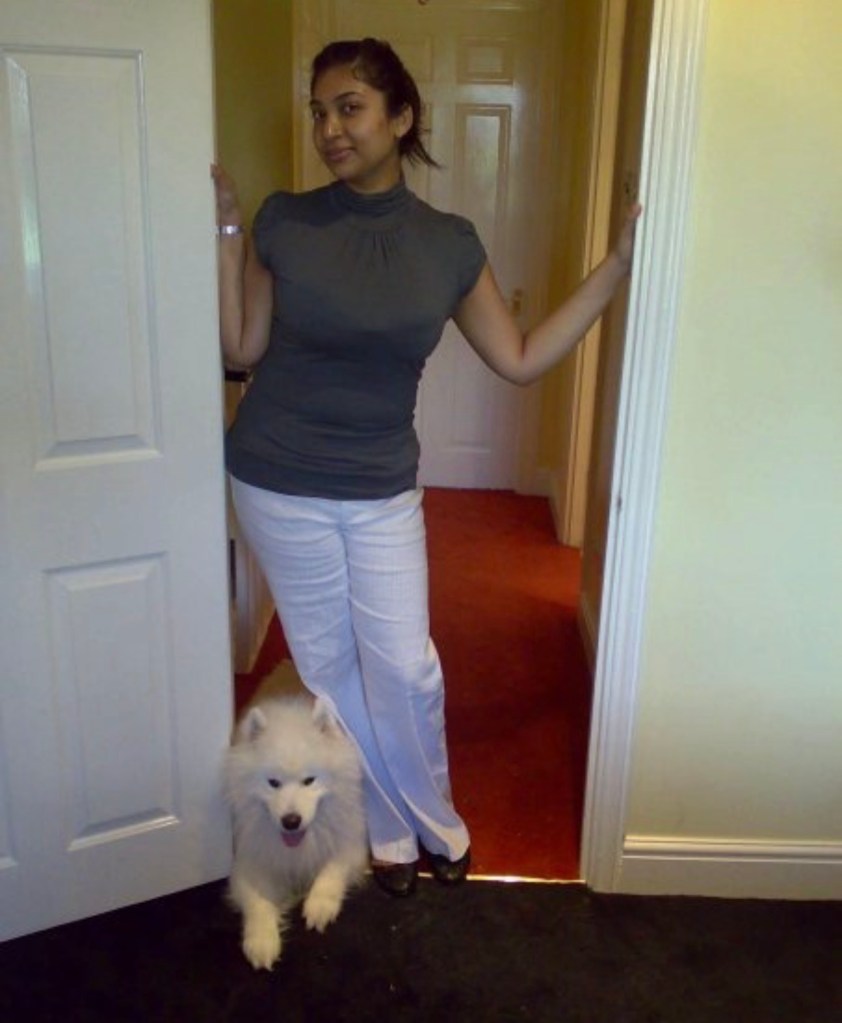
    As I share this chapter, I’ve also included a few snapshots from that season of my life —the face of a girl still figuring herself out.

    Screenshot

    The Beginning: London and Loneliness

    When I first arrived, my parents and I stayed at a beautiful inn while searching for housing. They were adamant I shouldn’t be “alone,” so we agreed on a three-month house share. I knew instantly it wasn’t for me — sharing a bathroom? Washing my underwear in a stranger’s washer? Cooking vegetarian food while the kitchen smelled of meat? Absolutely not.

    But I went along because that’s what we do when we’re seventeen and trying to make our parents proud. What seemed like small discomforts were really the first tests of who I was becoming — learning to live on my own terms, to say what I wanted (and didn’t want), to recognise that independence doesn’t come gift-wrapped, it comes with discomfort.

    And yes, I cried every day.

    The First “Protector” and the First Lesson

    Somewhere in those first weeks, my family met a much older, charming Caribbean man who promised to “look out for me.” Spoiler: he was no gentleman. He tried to charm a naive seventeen-year-old with food and flattery for all the wrong reasons. Thankfully, the naive girl had a survival instinct stronger than she knew.

    That was the first of many lessons: no one protects you better than you can protect yourself.

    Finding My Footing

    At school, I flourished. I was in my element — finally learning, thinking, thriving. But I was also learning that racism was real.

    “You can’t be Indian and Caribbean.”
    “Why do you sound like that?”
    “Do you think you’re better?”

    Those comments cut deep, but they also built resilience. I started to understand that identity could be questioned, but it didn’t have to be defined by others.

    The First Love, and the First Mirror

    Then came the man who would shape that chapter — fourteen years older, endlessly charming, and full of promises. He cooked for me, made me feel seen, gave me “community.” I thought I’d found my person. But over time, I realised I was becoming his person instead — losing pieces of myself in convenience and comfort.

    It’s funny how love at that age feels like oxygen — until you realise you’ve been holding your breath the whole time.

    Lessons in Love, Law, and Laundry

    My parents sacrificed everything to send me to London. I will never forget the day they asked a relative to co-sign my student loan and were told “no” because that person didn’t believe they could do it — send a child to London and succeed. They did it anyway.

    So, yes, I was grateful. But gratitude doesn’t make the growing easier.

    I was learning to study hard, work part-time at my partner’s family law firm, pay bills, and keep house — all while pretending I knew how to clean a toilet (spoiler: I didn’t). I actually called my mother the first time, convinced bleach required an engineering degree.

    And yet, these were the moments that shaped me — my first flat, my first job, my first sense of real self-reliance. I also learned that sometimes the person you love teaches you what not to accept.

    Here’s what that girl learned early:

    Take control of your own life — no one will do it for you.

    Always save.

    Be self-sufficient.

    If it looks too good to be true, it probably is.

    Find your own people.

    Of Cinnamon Rolls and Red Flags

    Those years are still etched in my memory — Red Bull and cinnamon rolls from the cafeteria as breakfast for almost three years (it’s a miracle I didn’t turn into one). Professors who inspired me, crushes that got me through accounting, a semester of criminology just because the lecturer was brilliant.

    But the red flags were there too — me doing his assignments, spending my little money on “us,” dimming my own light so his could shine brighter. I didn’t see it then. Growth is slow like that.

    The LPC Years: Finding My Own People

    The Legal Practice Course was harder than anything before, but it came with unexpected joy. My girlfriends — my saving grace — introduced me to the life of Nando’s Fridays, long pub nights, Southern Comfort and lemonade (don’t judge), and laughter that healed.

    Those were my first real friendships. People who loved me for me, not for what I did for them.

    Family, Distance, and the Voice I Was Learning to Use

    When my family visited, they met a different version of me each time — the grown woman they didn’t quite understand. My father’s control and my mother’s silence re-triggered the girl I thought I’d outgrown.

    I’ll never forget the day my dad sent me a huge framed photo of himself to mount on my wall. When he arrived and saw it still in the corner, he exploded — said it showed my lack of respect, my lack of love. He left to stay with my partner, refusing to speak to me for the rest of the trip.

    That was the moment I realised: distance isn’t always rebellion; sometimes it’s survival.

    Screenshot

    Life, Love, and Lessons Yet to Come

    Between lectures, part-time jobs, acne breakouts, visa renewals, failed exams, resits, learning about condoms and the pill, and even the adventure of getting our first dog, Veeran (who we drove all the way to Wales to get — me paying from my cash withdrawals at multiple ATMs)… I thought that was life. That was adulthood.

    We studied together, lived together, worked together, had the same friends, even “started a family” with a dog. You think those times will last forever. You think this is it.

    But adulting always finds you. And you only discover what truly lasts when you’re living from your healed, authentic self — not your performative, prescriptive one.

    This was just the beginning. The next chapter is about what happens after the degree, after the love story, when real life collides in real time with the dream — when the girl who left home finally starts coming home to herself.

    Screenshot

    💭 Life Lessons from the London Years

    Independence isn’t pretty at first. It’s messy, tearful, and full of bad takeout.

    Love without boundaries becomes dependence.

    You can outgrow places and people — even if they helped you grow.

    Money, self-respect, and sleep are non-negotiable.

    You are allowed to reinvent yourself as many times as it takes.

    🩵 Author’s Note

    This chapter is dedicated to every woman who left home to chase a dream and discovered herself along the way — sometimes the hard way. If you’ve ever cried into your curry, studied through heartbreak, or learned to love yourself one mistake at a time, this one’s for you.

    🔍 Clue of the Week

    “When you clean your first toilet, buy your first pet, or pay your first bill — don’t groan. You’re not failing at life. You’re growing into it.”

  • The Look of Love, with Four Paws

    What is good about having a pet?

    Honestly, everything. My doggies bring a kind of joy that’s hard to explain but easy to feel. There’s unconditional love in the way they look at me — that soft gaze that says, “you’re my whole world.” They teach me discipline in routine, care in action, and reward me with endorphins just from a cuddle, a tail wag, or that post-meal trot to come find me instead of heading straight for a nap.

    They are loyal in the purest way, quirky in the most delightful ways, and they love you without condition, ego, or expectation. Whether it’s a silent companion during a low moment, or the joyful dash to the door when you come home — it’s all heartwarming. Pets remind you to be present. They don’t care what you look like, what you achieved today, or what you’re overthinking. They just love. And that alone makes every day better.

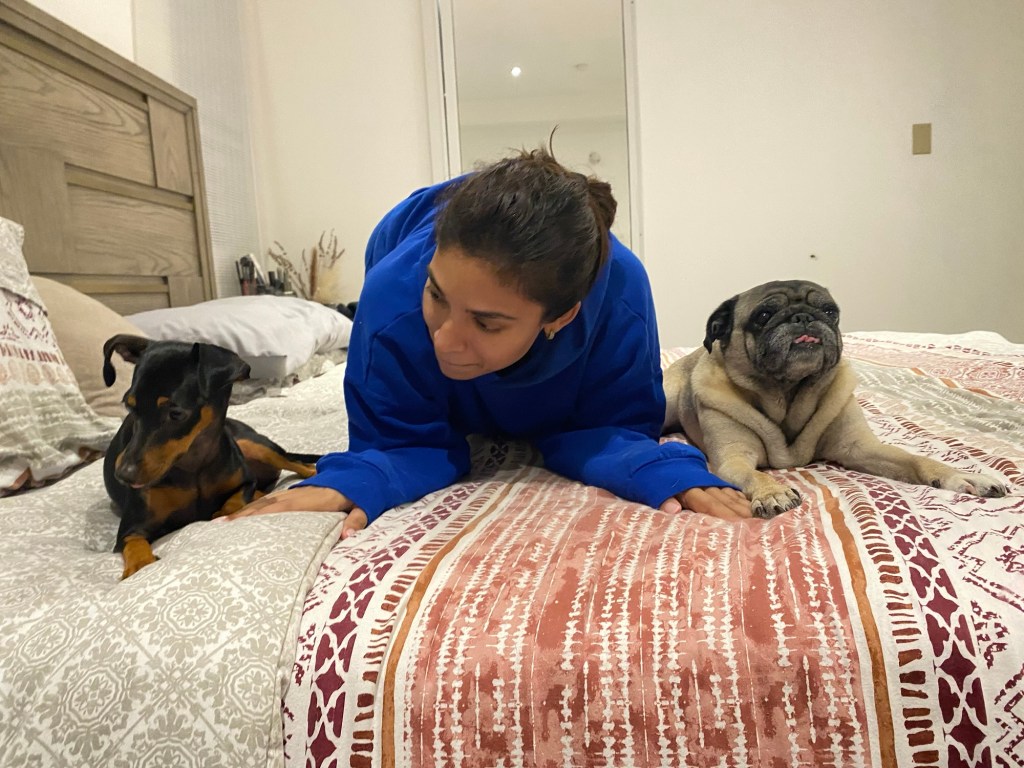
    And then there’s the sweetest part — my pug curled up on my shoulder, my MinPin tucked into the crook of my arm like clockwork, exactly 30 minutes before it’s time to wake up. It’s as if they run on an internal “mama love” schedule. Somehow, I end up squished into a corner of a king-sized bed the size of a dinner chair — but that’s love. Through it all, they’re not just pets, they’re family. They depend on me, just as I lean on them — for a good morning, a good night, and the quiet comfort of being wrapped in love when I need it most.

    The audacity
  • What podcasts are you listening to?

    Podcasts have become such an outlet for me — they’ve taken me through some rough patches, kept me company on long walks, and honestly just filled the silence in the best way. While they haven’t quite reached my level of obsession with books, they definitely hold their own.

    For fun and full bad-ass energy, Life’s a Joke with Christina Kirkman is my current favorite — light, real, and unapologetically funny. The Mel Robbins Podcast has seen me through everything from career pivots to emotional treks (literally), and House of Maher can be hit or miss, but Ilona? A beast in the best way.

    I also sprinkle in Call Her Daddy when I need boldness, Girls Bathroom for the sisterhood feel, and Aware & Aggravated when I’m in a take-no-prisoners mood. Coming Up for Air hit hard during my “bitch against the world” era.

    My picks change with my mood — but that’s the beauty of it. There’s a podcast for every version of me. I would say much like I wait for a Nora Roberts In the Death Series to drop, currently I do look forward to my Thursday Life’s a Joke pod to take me through the afternoon.

  • 🍷 Cabernet & Conversations: Things I Wish I Knew in My 30s

    If I could pour a glass for my 30-year-old self…

    I’d tell her to sit still for a second — really sit. Stop running after timelines and people who don’t have the emotional capacity to meet you where you are. Pour the wine slowly. Let it breathe. Because one day, you’ll realize that the best parts of your life weren’t in the noise or the milestones — they were in the quiet spaces you kept rushing through.

    And if she’d listen (really listen), here’s what I’d tell her:

    💫 You don’t need to be liked to be loved.

    Being liked is a moving target — it changes with opinions, rooms, moods. Love, real love, doesn’t demand a performance. It sees you in your truth — messy, tired, resilient — and stays.

    🕯 It’s okay to disappoint people.

    Disappointing others is inevitable; disappointing yourself is optional. You can’t live your life trying to keep everyone comfortable — not when it costs you your peace. Let “no” be your full sentence when you need it to be.

    🔥 People will anger and frustrate you — that’s on them.

    Stop expecting emotional maturity from people who haven’t done their work. Their reactions are not your responsibility. Sometimes you have to walk away without explanation — silence is its own boundary.

    💃 Stop focusing on being skinny to feel pretty.

    Beauty was never about the inches on your waist; it was about the depth of your energy. Feed yourself — with food, with joy, with laughter. The mirror doesn’t define you; your light does.

    🕰 Don’t get lost in other people’s urgency.

    Everyone will have opinions about your pace, your choices, your “should-haves.” Don’t borrow their anxiety. Trust your own timing — it’s divine, even when it feels delayed.

    🧠 Don’t fall for false authenticity.

    Not everyone preaching vulnerability practices it. Listen for consistency, not captions. The loudest “real” people often hide the deepest masks.

    💌 Trust purposefully, not automatically.

    Your heart is kind — that’s beautiful. But discernment is not cynicism. Everyone deserves kindness; not everyone deserves access.

    🌸 Believe you’re enough — because you always were.

    You don’t have to earn worthiness. You were born with it. Stop chasing validation that dilutes your voice.

    🌙 Don’t let other people’s insecurities shrink you.

    Dimmed lights don’t make others shine brighter. Stand tall in your strength, your opinions, your softness. You are not too much — they’re just not ready.

    ⚖️ Trust that those who do wrong will be dealt with.

    You don’t have to carry the burden of karma. Life has a way of balancing its own scales — you just keep your integrity intact.

    🪶 Don’t carry shame like a badge of honor.

    You don’t have to be the one who always “learned the hard way.” Forgive yourself for the years you tried to fix everything by over-giving. Healing doesn’t mean forgetting; it means releasing.

    ⏰ Make and take time for yourself.

    You can’t pour from an empty glass — not even a cabernet one. Rest isn’t laziness; it’s preservation.

    🗣 Communicate your needs.

    The people meant for you will make space to listen. Silence isn’t strength when it suffocates you. Speak — even if your voice shakes.

    😂 Laugh more.

    Life isn’t a to-do list. Laugh until your stomach hurts. Laugh at the irony, the chaos, the things that didn’t go as planned.

    ❤️ Love yourself — without conditions.

    You’ve spent years giving love away like it was a reward to be earned. Turn some of it inward. You are the longest relationship you’ll ever have.

    🍰 Eat the cake.

    Literally and metaphorically. Celebrate more, guilt less. Take the photo, drink the wine, book the trip. Joy isn’t indulgent — it’s essential.

    If I could pour a glass for my 30-year-old self, I’d raise it high — to the woman she was, to the lessons she learned the hard way, and to the one she became: grounded, grateful, and finally at peace with not having it all figured out.

    Because it turns out, she didn’t need to. She just needed to be.

    #CabernetAndConversations #LessonsInBecoming #FortyAndFlourishing #SaralaLife #WineAndWisdom #AuthenticLiving #WomenWhoReflect #ChaptersCareersCaninesAndCabernet

    💋 Clue of the Week (About Me):
    I used to think becoming meant adding more; now I know it’s about unbecoming everything that isn’t me.

    Saralalife.com celebrates the blend of chapters, careers, canines, and cabernet — the beautiful mess of living thoughtfully, courageously, and with heart.

  • The Subject That Spoke to My Soul: English Literature
    Daily writing prompt
    What was your favorite subject in school?

    My favorite subject in school was English Literature. I had the most inspiring teacher — a woman of confidence, grace, and quiet strength. She carried herself with such assurance and authenticity that you couldn’t help but admire her. She was sharp, witty, passionate, and unapologetically herself — the kind of woman who made you want to rise to your own potential.

    Under her guidance, I fell completely in love with the written word. English Literature wasn’t just about analysing poetry or dissecting novels; it was about exploring humanity — emotion, resilience, heartbreak, courage. It opened my world to stories and voices far beyond my own, and taught me how words could shape thought, emotion, and even change.

    It spoke to my creative side — the part of me that finds joy in expression, empathy in storytelling, and calm in reflection. I loved the rhythm of language, the beauty of interpretation, the way one line could mean something entirely different to each person in the room. To this day, being lost in a good book feels like home.

    In a sea of subjects that had to be done, English Literature was the one I wanted to do. It grounded me, challenged me, and gave me a lifelong love for stories — not just those on the page, but the ones we live and tell every day.

  • The Gift of Time: Grace in Waiting

    “Time doesn’t just pass. It holds, reveals and remakes us when we let it.”

    Do I need time? Absolutely.

    I need time to breathe, to grieve, to grow.
    Time to undo the stories I’ve told myself.
    Time to learn how to move forward without rushing through the now.
    Time to be still, to be messy, to be human.

    I need time — not to fix everything, but to understand that not everything needs fixing.
    To sit with my emotions without explaining them away.
    To make peace with the parts of my life that didn’t go as planned.
    To appreciate the chapters that shaped me and the ones I’m still writing.

    Time doesn’t promise clarity — but it does offer perspective, if I allow it.
    So yes, I need time.
    And I’m learning that needing time doesn’t make me weak — it means I’m giving myself grace.

  • “Sometimes love doesn’t leave; it just changes its language.”

    Chapter 2: There are some friendships that don’t fade quietly. They linger. They hum under your skin, the way a song does when you can’t remember the lyrics but the melody still aches in your chest.
    This is one of those.

    We met as colleagues, and somewhere between long workdays, heartbreaks, wedding plans, margaritas, spin classes, and dog-sitting (and dog-hiding), a friendship was born. It was real, the effort, worth it. We laughed, we cried, we showed up for each other. There were house moves, career pivots, late-night talks, and limes that turned into family gatherings. You were in my home, in my life, part of my husband’s circle, woven into our rhythm. You were my friend in every sense of the word — ride or die, through all the messy, beautiful layers of adult life.

    And then, one Christmas, it broke.

    It was a long day — for both of us, I imagine. You had been out doing charity work; I had been hosting and running on fumes, but a night ended with an impromptu lime that you were invited too, and attended . At the end of the night, exhausted, I fell asleep at our mutual friend’s home ( who was hosting us) while you stayed chatting with my husband and another mutual friend. What happened next, I only heard about later: that you were angry, hurt, that you felt disrespected that I “fell asleep on you.” When my husband told me, I felt gutted. Shocked, even. We’d been through so much — surely one night of me dozing off couldn’t unravel years of love, trust, and laughter?

    When you called, I asked — maybe too quickly, too emotionally — what had happened. You deflected, I got angry, and the call ended with neither of us saying what we really meant.
    And just like that, there was silence.
    No Christmas messages. No “Happy New Year.”
    Just absence — heavy and deafening.

    In the months that followed, I heard through others that I had “ruined Christmas for you.” I never understood how or why. Every encounter after that — the polite avoidance at events, the studied indifference — pierced me in a way I couldn’t explain. It felt like losing family. You had been such a fixture in my home, my life, and now you passed me like a stranger. That hurt — deeply. It triggered something old and raw inside me: that familiar whisper of “you were never enough.”
    Another relationship where grace wasn’t extended to me.
    Another chapter where I felt I had to shrink to avoid being seen as difficult.

    And if I’m being honest, I wasn’t innocent in that silence either — I too mastered the art of polite indifference, passing you by with the same careful distance that once wounded me. Were either of us right? No. But we were human — proud, hurt, and unready to meet each other in the middle.

    I’ll admit this much: I could have handled it differently. I could have paused, breathed, and reached out with empathy instead of pride. But I was hurt. I felt blindsided, shamed for simply being human — for being tired, for letting my guard down. And when I’m hurt, my instinct is to retreat. My conditioning has long taught me that using my voice (in my personal life) causes trouble, that being “too much” makes me unlovable. So I stayed silent — and in that silence, the friendship withered.

    Years later, I still think about you — especially at Christmas. I still feel a pang when I see your name or hear stories of you hanging out with people who once disliked and disparaged you, people who now seem united in the shared experience of not me. Maybe I helped build that community without meaning to. Maybe that’s the price of miscommunication left to rot. Sometimes I think about sending a message or adding your name to a guest list, but time has a way of widening the space.

    Still, this friendship — this loss — has been one of my greatest teachers.

    🌿 What I’m Learning (Still)

    Silence isn’t peace. The things we don’t say often become heavier than the words we fear might hurt.

    Ego wears many disguises. Sometimes it looks like self-protection; sometimes it’s just fear in a fancy coat.

    We all carry our own pain. Maybe that night, you weren’t angry at me — maybe you were just exhausted, too. Maybe you needed grace I didn’t know how to give.

    Childhood conditioning runs deep. When you grow up believing your feelings cause trouble, you learn to swallow them whole — but eventually, they eat you from the inside out.

    Not every mirror is meant to last. You were one of mine — someone who reflected both my strength and my flaws. Losing that reflection hurt, but maybe some mirrors break to make room for windows — for seeing the world differently.

    Regret isn’t weakness. It’s acknowledgment. It’s the tender ache that tells you you’ve grown.

    Love doesn’t always return in the same form. Sometimes, all we get is the memory — and the quiet hope that we’ve both become softer, kinder versions of who we were.

    I don’t know if we’ll ever speak again.
    Maybe we weren’t meant to last a lifetime. Maybe we were meant to teach each other something — about loyalty, pride, forgiveness, or simply being human.

    But this much I know: I carry pieces of you with me. In every toast, every laugh, I think of how fragile connection is — and how easy it is to lose something sacred when pain and pride get in the way.

    This is my regret, my reckoning, and my release.
    Not a plea for repair, but a whisper of remembrance —
    for what was real,
    for what was lost,
    and for what remains in the healing, after you.

    ✍🏽 Author’s Note

    This chapter was one of the hardest to write — not because of the details, but because of the honesty it demanded. Regret has a way of clinging to the quiet corners of memory, showing up in the moments we least expect. I’ve learned that healing isn’t about erasing the pain or rewriting the past; it’s about sitting with what was — the hurt, the silence, the missteps — and finding meaning in the fragments left behind.

    Friendship breakups are rarely clean. They are messy, layered, and often unspoken. This one still echoes, especially around Christmas — a reminder that love, even platonic, leaves marks. I am still learning that closure isn’t always a conversation; sometimes it’s simply choosing to live with tenderness for the version of ourselves who didn’t yet know better.

    If this chapter resonates with you, may it remind you that regret doesn’t mean failure. It means you cared deeply, even if it didn’t end the way you hoped. And that, in itself, is something sacred.

    #healing #friendshiploss #regret #selfgrowth #healingjourney #reflection #emotionalhealing #femaleconnection #saralalife #lifelessons